
Brief description of the project
(2024-2026)
Project title: IRN AP13068118 « Mining for genes associated with agronomic traits of soybean (Glycine max (L.) Merr.) using whole-genome resequencing of world collection».
Relevance. The creation of highly productive soybean varieties is of key importance for ensuring food security and sustainable development of agriculture in Kazakhstan. Given the current challenges in the agro-industrial sector, accelerating the breeding process using advanced genomic technologies is becoming an urgent task.
The use of whole genome resequencing (WGRS) in the framework of research opens up new perspectives for studying and improving soybeans. The analysis of 252 varieties and lines of the global collection, including Kazakhstani varieties, implemented through the cooperation of scientists from Kazakhstan and China, will reveal genes related to yield and seed quality. The WGRS technique has high accuracy and makes it possible to identify more than 3 million polymorphic SNP markers, which increases the genome coverage density hundreds of times compared to traditional SNP genotyping methods. This makes it possible to effectively conduct a genome-wide analysis of associations to identify DNA markers associated with economically valuable traits.
Of particular value to the project is the possibility of identifying loci of quantitative traits and genes that control economically valuable traits based on WGRS data, as well as the results of field and laboratory tests of a collection of soybeans grown in various environmental conditions in the south-east and north of Kazakhstan.
The results of the study will make it possible to develop sets of informative KASP markers that will greatly simplify soybean breeding and identify highly productive lines adapted to the conditions of Kazakhstan. These achievements will help to increase the efficiency of soybean production and strengthen the country’s agricultural potential.
The goal of the project: Identification of quantitative trait loci and genes that control productivity and quality, based on the whole-genome re-sequencing of 252 samples of the world soybean collection and the development of two sets of KASP markers for agronomic traits in the southeast and north regions of the country.
Expected results:
- WGRS of 31 local accessions using Illumina HiSeq X Ten System platform, in addition to the 221 accessions that already re-sequenced as a groundwork for the project. The genetic variability in the collection will be determined; polymorphic SNPs will be identified; matrix data for GWAS will be prepared.
- Soybean collection consisting of 252 accessions harvested in southeast and north of Kazakhstan will be studied for agronomic traits. The variability of morphological, yield and quality traits tested in two regions will be assessed.
- Based on WGRS of 252 accessions GWAS will be carried out to identify QTLs and genes that are significantly associated with morphological, yield and quality traits.
- Population analysis will be done to determine the genetic clustering of Kazakh and foreign genotypes, including samples of wild-growing soybeans.
- SNP markers will be validated for the traits that determine soybean yield and quality.
- Informative sets of KASPs will be developed for the breeding of soybeans with high values of agronomic traits.
Scientific Supervisor of the project:
Leading Researcher, PhD, Zatybekov Alibek Kamzabekovich
Research group:
Senior Researcher, PhD, Anuarbek Shynar Nurlankyzy
Junior Researcher, Doszhanova Botakoz Nurmaganbetovna
List of publications of the project’s participants (2018-2023)
- Zatybekov A., Abugalieva S., Didorenko S., Rsaliyev A., Turuspekov Y. GWAS of soybean breeding collection for resistance to fungal diseases in condition of South-East and South Kazakhstan // Vavilov Journal of Genetics and Breeding (Vavilovskii Zhurnal Genetiki i Selektsii=Вавиловский журнал генетики и селекции) (SJR=0.147, Q3 – Agricultural and Biological Sciences; percentile: 38 –General Agricultural and Biological Sciences) — 2018. — Vol. 22(5). — P.536-543. DOI 10.18699/VJ18.392.
- Затыбеков А.К., Ануарбек Ш.Н., Абугалиева С.И., Туруспеков Е.К. Изучение коллекции сои с использованием ДНК маркеров устойчивости к грибным болезням // Ізденістер, нəтижелер – Исследования, результаты. – 2018. – №.3(79). – C.212-218.
- Zatybekov A.K., Agibaev A.Z., Didorenko S.V., Abugalieva S.I., Turuspekov Y.K. Analysis of resistance to Septoria glycines in soybean world collection harvested in south-eastern Kazakhstan // News of the NAS of RK, series of agricultural sciences. – 2018. – №.5. – P.44-52.
- Doszhanova B.N., Didorenko S.V., Zatybekov A.K., Turuspekov Y.K., Abugalieva S.I. Analysis of soybean world collection in the conditions of Southeast Kazakhstan // International Journal of Biology and Chemistry — 2019. — Vol. 12(1). — P.33-40. doi.org/10.26577/ijbch-2019-1-i5.
- Zatybekov A., Abugalieva S., Didorenko S., Turuspekov Y. Effect of Population Size on Genome-Wide Association Study of Agronomic Traits in Soybean // Proceedings of the Latvian Academy of Sciences. Section B. (SJR=0.168, Q3 – Multidisciplinary, percentile: 39 – Multidisciplinary)- 2020. — Vol. 74, No. 4 (727). — P.244-251. DOI: 10.2478/prolas-2020-0039.
- Zatybekov A.K., Turuspekov Y.T., Doszhanova B.N., Abugalieva S.I. A study of the genetic diversity in the world soybean collection using microsatellite markers associated with fungal disease resistance // Proceedings on Applied Botany, Genetics and Breeding (Труды по прикладной ботанике, генетике и селекции). (IF=0.365 (РИНЦ)) – 2020. — Vol. 181, No. (3). — P.81-90. DOI: 10.30901/2227-8834-2020-3-81-90.
- Zatybekov A., Anuarbek S., Abugalieva S., Turuspekov Y. Phenotypic and genetic variability of a tetraploid wheat collection grown in Kazakhstan // Vavilovskii Zhurnal Genetiki i Selektsii = Vavilov Journal of Genetics and Breeding. (SJR=0.147, Q3 – Agricultural and Biological Sciences; percentile: 38 –General Agricultural and Biological Sciences). 2020;24(6):605-612. DOI 10.18699/VJ20.654
- Zatybekov A, Genievskaya Y, Rsaliyev A, Maulenbay A, Yskakova G, Savin T, Turuspekov Y, Abugalieva S. Identification of Quantitative Trait Loci for Leaf Rust and Stem Rust Seedling Resistance in Bread Wheat Using a Genome-Wide Association Study. Plants. 2022; 11(1):74. https://doi.org/10.3390/plants11010074
- Genievskaya Y., Pecchioni N., Laidò G., Anuarbek S., Rsaliyev A., Chudinov V., Zatybekov A., Turuspekov Y., Abugalieva S. Genome-wide association study of leaf rust and stem rust seedling and adult resistances in tetraploid wheat accessions harvested in Kazakhstan // Plants. 2022; 11(15):1904. https://doi.org/10.3390/plants11151904.
- Podzorova T., Zatybekov A., Didorenko S., Abugalieva S. Genetic variation of soybean collection based on microsatellite DNA markers related to plant height // Eurasian Journal of Applied Biotechnology. – 2022. – Vol. №3. – P.3-12. https://doi.org/10.11134/btp.2.2022.1.
- Genievskaya Y., Zatybekov A., Abugalieva S., Turuspekov Y. Identification of Quantitative Trait Loci Associated with Powdery Mildew Resistance in Spring Barley under Conditions of Southeastern Kazakhstan // Plants. 2023; 12(12):2375. https://doi.org/10.3390/plants12122375.
- Zatybekov A., Abugalieva S., Didorenko S., Rsaliyev A., Maulenbay A., Fang C., Turuspekov Y. Genome-wide association study for charcoal rot resistance in soybean harvested in Kazakhstan. Vavilovskii Zhurnal Genetiki i Selektsii=Vavilov Journal of Genetics and Breeding. 2023;27(6):565-571. DOI 10.18699/VJGB-23-68
- Zatybekov A., Yermagambetova M., Genievskaya Y., Didorenko S., Abugalieva S. Genetic Diversity Analysis of Soybean Collection Using Simple Sequence Repeat Markers // 2023; 12(19):3445. https://doi.org/10.3390/plants12193445.
- Fang, C., Sun, Z., Li, S., Su T., Wang L., Dong L., Li H., Li L., Kong L., Yang Z., Lin, Zatybekov A., Liu B., Kong F., Lu S.Subfunctionalisation and self-repression of duplicated E1 homologues finetunes soybean flowering and adaptation. Nat Commun 15, 6184 (2024). https://doi.org/10.1038/s41467-024-50623-3.
- Doszhanova B.N., Zatybekov A.K., Didorenko S.V., Suzuki T., Yamashita Y., Turuspekov Y. Identification of quantitative trait loci of pod dehiscence in a collection of soybean grown in the southeast of Kazakhstan. Vavilovskii Zhurnal Genetiki i Selektsii = Vavilov Journal of Genetics and Breeding. 2024;28(5):515-522. DOI18699/vjgb-24-58.
Results for 2024:
Studies conducted in 2024 revealed a significant effect of growing conditions on agronomic characteristics, including yield, plant height and flowering time. Domestic varieties and genotypes from Eastern Europe and North America have demonstrated the best results in the conditions of southeastern Kazakhstan.
The GWAS results revealed 83 significant associations between SNP markers and economically valuable traits, of which 38 were stable for two years. This opens up opportunities to improve protein content, oil, and yield. Phylogenetic analysis confirmed the differences between wild and cultivated soybean forms, emphasizing the importance of wild samples for breeding. Analysis of the population structure revealed several clusters, which is important for understanding the mechanisms of domestication.
KASP markers have been created, adapted to the conditions of the south-east and north of Kazakhstan, which optimizes breeding programs. These markers confirmed the associations between genotypes and phenotypes and demonstrated reliability. The identified promising varieties and lines will improve yields and product quality, ensuring the region’s food security and adaptation to changing climatic conditions.
Publications (2024):
- Doszhanova B.N., Zatybekov A.K., Didorenko S.V., Suzuki T., Yamashita Y., Turuspekov Y. Identification of quantitative trait loci of pod dehiscence in a collection of soybean grown in the southeast of Kazakhstan. Vavilovskii Zhurnal Genetiki i Selektsii = Vavilov Journal of Genetics and Breeding. 2024;28(5):515-522. DOI18699/vjgb-24-58.
- Doszhanova B., Zatybekov A., Didorenko S., Fang C., Abugalieva S., Turuspekov Y. Genome-wide association study of seed quality and yield traits in a soybean collection from Southeast Kazakhstan // Agronomy (Q1 Agronomy, процентиль 84 Agronomy and Crop Science. – 2024. – 14(11):2746. https://doi.org/10.3390/agronomy14112746.
- KZ No. 9289 State Register bulletin. Satybekov A.K., Doszhanova B.N., Abugalieva S.I., Turuspekov E.K. Method of identification of breeding valuable soybean lines (Glycine max (L.) Merr.) using a set of KASP markers.
Results for 2025
A targeted and systematic collection of plant and seed material from Agriophyllum squarrosum populations has been carried out in the arid regions of Kazakhstan. The main goal of this stage of the study is to investigate the genetic diversity, biochemical characteristics, and adaptive features of the species under arid ecosystem conditions.
As the third location for fieldwork, the Aral District of Kyzylorda Region was selected, where material was collected near the settlements of Akespe, Abay, and Zhinishkekum.
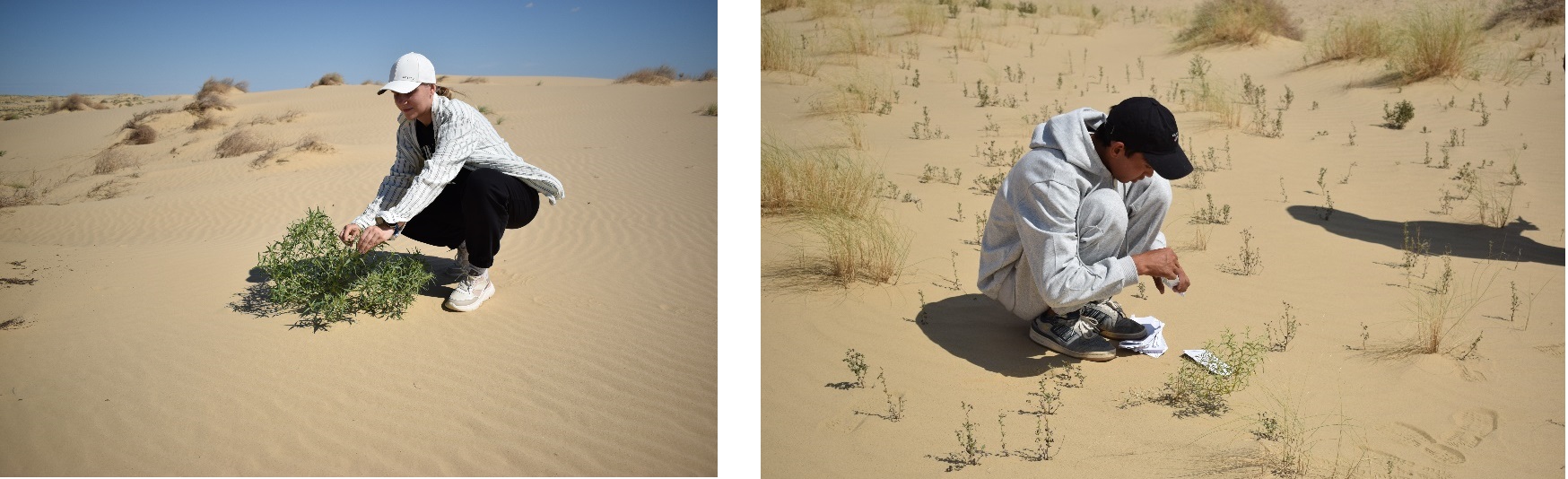
Figure 1 – Collection of A. squarrosum plant material in the Aral District, Kyzylorda Region
During the expedition, five populations of A. squarrosum were sampled, each comprising at least 20 individual plant specimens, except for the fifth population, where only 10 specimens could be collected due to objective circumstances. The collection of plant material was carried out in strict accordance with widely accepted botanical research methodologies and taking into account the ecological characteristics of the habitats, ensuring high reliability and representativeness of the data for subsequent laboratory analyses. For each population, the coordinates of the sampling points and the main habitat parameters were recorded. The collected samples will be used for a comprehensive study of the morphological, biochemical, and genetic characteristics of A. squarrosum, as well as for assessing its potential in the restoration of degraded lands. The analysis is expected to reveal key adaptive mechanisms of the species to extreme arid conditions and make a significant contribution to the development of strategies for the conservation of rare and endemic plant species in Kazakhstan with high ecological and economic value.
An analysis of the fatty acid composition of seeds from populations collected in Aktobe (4 populations) and Almaty (2 populations) regions was carried out using gas chromatography with a mass-selective detector (GC-MS). This method allowed the qualitative and quantitative composition of fatty acids to be determined, as well as the identification of differences between populations due to their ecological and geographical characteristics. The obtained results serve as a basis for assessing the biochemical diversity of the species and its adaptive potential under different climatic conditions. Additionally, the protocol for analyzing the amino acid profile of seeds using high-performance liquid chromatography (HPLC) was optimized. Modifications in sample preparation and elution parameters improved the sensitivity and reproducibility of the method. The developed approach ensures accurate and comparable data on amino acid content, which is essential for further studies on the metabolic features and physiological adaptation of A. squarrosum to environmental stress factors.
DNA was extracted from samples of all populations collected in the Almaty (2 populations) and Aktobe (4 populations) regions. Each population was represented by 20 individual plant specimens, providing sufficient representativeness for subsequent molecular-genetic analysis. DNA extraction was carried out using a modified CTAB method, which allowed the isolation of high-quality and pure genetic material suitable for PCR reactions and genotyping. The quality and concentration of the extracted DNA were assessed using spectrophotometric analysis and agarose gel electrophoresis. Additionally, a primer screening of 50 SSR markers, selected based on literature sources and genetic studies of related species, was performed. At the current stage, two populations from Almaty Region and four populations from Aktobe Region were screened using 20 SSR markers. The obtained data will be used to select the most informative markers and to conduct further analysis of the genetic diversity of A. squarrosum populations.
The protocol for treating A. squarrosum seeds with the chemical mutagen ethyl methanesulfonate (EMS) was optimized. In the experiment, seeds from populations collected in Almaty Region were pre-treated with varying concentrations and exposure times of the mutagen to determine the optimal conditions for treatment. After treatment, the seeds were germinated under controlled conditions, the seedlings were transplanted onto a solid substrate, and subsequently transferred to larger containers for further observation of growth and development.
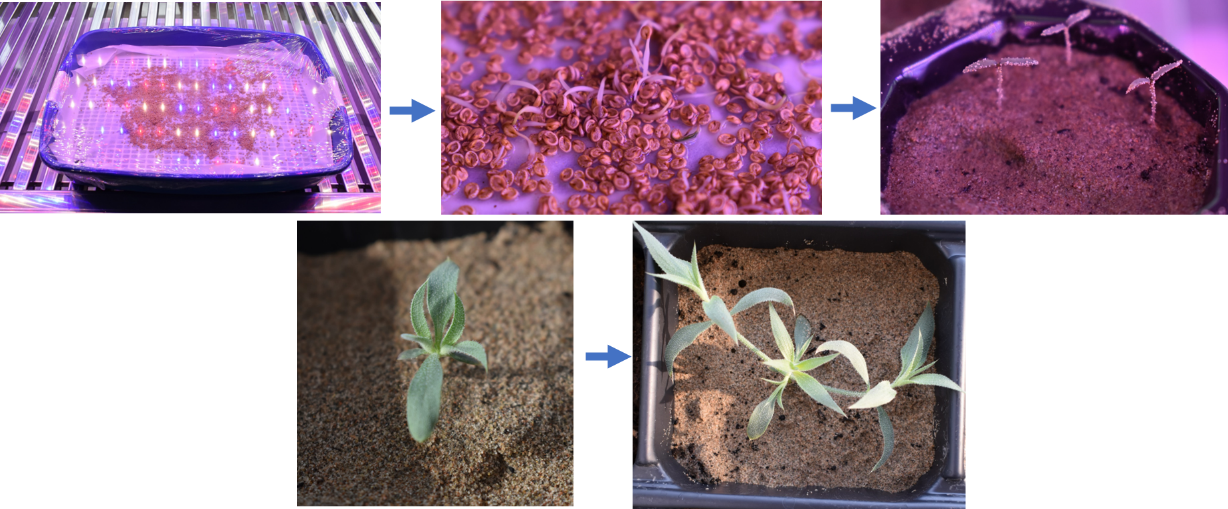
Figure 2 – Optimization of the induced mutagenesis protocol for sand rice (A. squarrosum)
Throughout the entire growing season, observations were made on the morphological changes and physiological traits of the mutant lines, including growth rate, leaf shape, and the development of reproductive organs. Unfortunately, the plants that reached maturity were sterile and did not produce seeds. Repeat experiments are planned with adjustments to the EMS concentration and cultivation conditions to improve the survival and reproductive capacity of the mutant plants.
Comprehensive work was carried out to establish an experimental plot in Aktobe Region. As a result, fencing was installed and mechanical barriers were arranged over an area of 3,000 m² near the settlement of Zhyltyr in Shalkar District. On the experimental plot, barriers made from local reeds were installed in the form of square cells measuring 2 × 2 m. These engineering measures are aimed at reducing wind erosion, protecting young plants from extreme weather conditions, and retaining moisture in the upper soil layers. In addition, seeds of typical flora representatives of Kazakhstan’s arid ecosystems were sown on the plot, with particular attention given to A. squarrosum.
In addition, in Almaty Region, Balkhash District, near the settlement of Birlik, a previously established experimental plot is operational. Observations are ongoing on the growth and development of A. squarrosum sown on sand dunes, and the effectiveness of various types of mechanical barriers is being evaluated.
Furthermore, preparatory work has begun for establishing a third experimental plot in Kyzylorda Region, Aral District, near the settlement of Shizhaga. At this stage, a preliminary assessment of landscape conditions has been conducted, sites for barrier placement have been selected, and the composition of local vegetation has been determined. In the future, similar mechanical barriers will be installed, and adapted plant species will be sown to study their resilience and role in stabilizing sand dunes.
Information for potential users
The results of the project are aimed at a comprehensive study of sand rice (Agriophyllum squarrosum) as a promising species for the restoration of degraded lands in the arid regions of Kazakhstan. They can be utilized by government bodies, scientific organizations, agricultural and environmental institutions, as well as organizations implementing land reclamation projects. Field studies in Aktobe, Almaty, and Kyzylorda regions demonstrated the effectiveness of stabilizing mobile sands and reducing wind erosion by combining mechanical barriers with the sowing of A. squarrosum. The collected plant and seed material, biochemical data on seed composition, and molecular-genetic analysis results provide the basis for developing methodological recommendations for phytoremediation, selecting adapted populations, and conserving the genetic resources of the species.
The practical application of the project results lays the foundation for the selective improvement of sand rice, increasing plant resistance to abiotic stresses, and sustainable land management. This will help reduce the rates of land degradation and desertification, improve the efficiency of ecosystem restoration measures, and make rational use of Kazakhstan’s bioresources. The results are currently being tested on experimental plots and can be used for developing pilot and demonstration projects in the country’s regions.

