
Brief description of the project
(2023-2025)
Project title: AP19679755 «Whole-genome molecular genetic study of Erwnina amylovora and fungal pathogens of Venturia genus in wild and cultivated fruit tree populations».
Relevance.
This project is aimed at solving problems related to the spread of economically important and quarantine phytopathogens in the country, prevention of importation of new and highly pathogenic strains into the country, spread of infection in wild populations of fruit trees leading to reduction of genetic and biological diversity. The results of the project will make it possible to identify new variants, virulence and pathogenicity genes of bacterial blight and scab pathogens, and help to develop targeted control methods. Prevention of the spread of infection in cultivated orchards and wild populations will be achieved by analyzing natural reservoirs of pathogens and identifying centers of infection in natural and artificially created conditions. Identification of new races and strains will make it possible to assess their level of pathogenicity and to limit their spread in a timely manner. At present, ribotypes and strains of Erwnina amylovora, as well as races of fungal pathogen of Venturia genus have been not determined in the country, the region of their distribution have been not determined, and the same methods of control are applied without complete eradication of infection, which leads to the death of entire orchards. Whole-genome studies will help to assess the rate of pathogen evolution in the country and predict the emergence of highly pathogenic strains.
The goal of the project:
The goal of the project is a full genomic and molecular genetic study of different strains and isolates of Erwnina amylovora, Venturia inaequalis, Venturia pirina, and Venturia asperata circulating in wild and cultivated populations of apple and pear trees, as well as in natural reservoirs, in order to analyze the evolution and pathogenicity of fire blight and scab pathogens of fruit crops.
Expected results:
1) At least 600 samples of plant material will be collected from populations of wild apple trees in the Dzhungarian and Zailiyskiy Alatau, as well as from cultivated apple and pear trees in orchards in southern Kazakhstan. Collection of plant material from mountain ash and hawthorn plants, natural reservoirs of Erwnina amylovora pathogen. Samples of flowers, branches, and leaves will be taken in spring and summer. GPS coordinates will be recorded for each tree. Samples will be collected in natural pools from plants growing in close proximity to apple and pear populations and at least 1 km away from wild and cultivated apple populations.
2) Metagenomic analysis of aboveground plant parts and identification of the main bacterial and fungal pathogens affecting apple, pear, hawthorn and mountain ash will be conducted. Identification of new bacteria and fungi not previously studied in Kazakhstan, determination of associated microflora and mixed infection. Samples positive for Erwnina amylovora and genus Venturia will be analysed additionally by loop isothermal amplification with specific primers to the pathogen genome. For metagenomic analysis, amplification of the complete 16S RNA genome of bacterial and ITS regions of fungal pathogens will be carried out by nanopore sequencing to increase species resolution. Samples with mixed infection including fire blight and scab will be identified.
3) Full genome sequencing of strains and isolates of Erwnina amylovora, Venturia inaequalis, Venturia pirina, and Venturia asperata found on apple, pear, mountain ash and hawthorn plants will be conducted. Population and phylogenetic analyses will be conducted to determine the level of heterogeneity and evolutionary vector of the pathogens. Identification of highly variable and conserved regions of genomes, level of variation in the whole genome and depending on host and region of distribution. Significant mutations in virulence genes will be identified, and new variants will be identified. Promising genome regions for highly sensitive pathogen detection will be identified. Known and new races of the genus Venturia and Erwnina amylovora ribotypes will be identified for the first time in the country.
4) The expression of virulence genes of pathogens will be analyzed in vitro and in infected apple and pear samples, transcriptome profiles will be determined, and new virulence gene variants and their combinations will be identified. Comparative analysis of virulence gene expression in different strains and isolates will be conducted.
5) A data map of Erwnina amylovora and Venturia fungal pathogens circulation in populations of wild and cultivated apple and pear trees in the country will be developed.
6) Pure cultures of pathogens will be obtained and a collection of strains, ribotypes and isolates distributed in the country will be created. The collection of pathogens will be a reference for analyzing pathogen evolution, identifying new races and strains, and predicting the evolution vector.
Scientific Supervisor of the project:
Gulnaz Nizamdinova
Research group:
Gritsenko D.A. — Head of Laboratory
Nizamdinova G.K. — senior researcher
Pozharsky A.S. — researcher
Taskuzhina A.K. — junior researcher
Kapytina A.I. — junior researcher
Kerimbek N.M- junior researcher
Kostyukova V.S.- junior researcher
Kolchenko M.V. — laboratory assistant
Abdrakhmanova A.B. — laboratory assistant
Adilbaeva K. — laboratory assistant
List of publications of the project’s participants (2018-2022)
- Gritsenko, D., et al. Development of a “deconstructed” vector based on the genome of grapevine virus A // Plant Biotechnol Rep. -2019. Индекс цитирования – 2, Процентиль – 64, Квартиль- Q2, DOI: 10.1007/s11816-019-00528-1.
- Pozharskiy, A., Kostyukova, V., Nizamdinova, G., Kalendar, R., & Gritsenko, D. (2022). MLO proteins from tomato (Solanum lycopersicum L.) and related species in the broad phylogenetic context. Plants, 11(12), 1588.. DOI: 10.3390/plants11121588; WOS. Q1 (IF 4,827), Scopus: процентиль 71.
- Gritsenko, D., Pozharskiy, A., Dolgikh, S., Aubakirova, K., Kenzhebekova, R., Galiakparov, N., Sadykov, S. Apple varieties from Kazakhstan and their relation to foreign cultivars assessed with RosBREED 10K SNP array. 2022. Eur.J.Hortic.Sci. 87 (1) 1-8, DOI: 10.17660/eJHS.2022/006. Индекс цитирования – 0, Процентиль – 62, Квартиль- Q2.
- Pozharskiy, A., Kostyukova, V., Taskuzhina, A., Nizamdinova, G., Kisselyova, N., Kalendar, R., Gritsenko, D. (2022). Screening a collection of local and foreign varieties of Solanum lycopersicum L. in Kazakhstan for genetic markers of resistance against three tomato viruses. Heliyon. DOI: 10.1016/j.heliyon.2022.e10095; WOS. Q2 (IF-3.7), Scopus: процентиль 82.
- Gritsenko, D., Zulfiya Kachiyeva, Gulzhan Zhamanbayev, Bakhytzhan DuisembekoV, Abai Sagitov. Detection of five potato viruses in Kazakhstan // IX International scientific agriculture symposium “AGROSYM 2018”., p. 611. 2018.
- Gritsenko D., Aubakirova K., Galiakrapov N. Simultaneous detection of five apple viruses by RT-PCR. International Journal of Biology and Chemistry (2020) v. 13, n. 1, p. 129-134. 2020. Индекс цитирования –0, doi: 10.26577/ijbch.2020.v13.i1.13.
- Gritsenko, D., et al. «Detection of Grapevine virus A in wild grape in Kazakhstan.» Phytopathology. Vol. 109. No. 11. 3340 Pilot Knob Road, St Paul, Mn 55121 Usa: Amer Phytopathological Soc, 2019.
- Gritsenko, D. A., K. P. Aubakirova, and A. S. Pozharskiy. «SSR profiling of potato cultivars resistant to pathogens.» Plant Genetics, Genomics, Bioinformatics, and Biotechnology. 2021.
- A.S. Pozharskiy, K. Aubakirova, D. Gritsenko, N. Galiakparov. Genotyping and morphometric analysis of Kazakhstani grapevine cultivars versus Asian and European cultivars // Genet. Mol. Res., 2020. Индекс цитирования – 0, DOI: 10.4238/gmr18482.
- A. Pozharskiy, D. Gritsenko // Prediction of Slmlo1 protein paralogs in Solanum l. Spp. using partially assembled genomic dat // IV. International Agricultural, Biological & Life Science Conference – 2022 – P.162.
- A. Kapytina, N. Kerimbek, A. Taskuzhina, G. Nizamdinova, K. Adilbayeva, S. Murzatayeva, Z. Kachiyeva // Detection and genetic investigation of potato leafroll virus in Kazakhstan // IV. International Agricultural, Biological & Life Science Conference – 2022 – P.165.
- Kerimbek N., Kapytina A., Pozharsky A., Khusnitdinova M., Gritsenko D. // Phylogenetic analysis of raspberry bush dwarf virus // Proceedings of the International Scientific and Practical Conference «Actual problems and prospects of science development in the field of fruit and vegetable growing» -2022 — P.139
Results for 2023:
A total of 890 samples of plant material in the form of leaves and branches were collected from gardens in Almaty, Zhetysu and Abay regions. Primers for identification of Erwnina amylovora and Venturia by isothermal amplification method were designed.
The developed primers were validated on positive controls of the laboratory collection, as well as on synthetic controls. The lower sensitivity threshold of the designed primers was 20-40 fg.
Metagenomic analyses were performed for collected samples from orchards and wild populations. Metagenomic analysis was performed by sequencing 16sRNA and ITS1-ITS2 genes on the MinIon platform. Of the pathogenic microflora, bacteria of the genus Erwinia were predominantly identified, while endophytic microflora was represented by Pseudomonas, Klebsiella and Pantoea. The associated microflora was represented by bacteria of the genus Pseudomonas. In plants from wild populations, the bacterium Pseudomonas fluorescens was predominantly identified from the endophytic microflora. Of pathogenic fungi, the genus Alternaria was identified, mainly Alternaria mali species causing alternariosis of apple trees. In hawthorn and mountain ash, Diplocarpon mespili, Alternaria and Monilinia johnsonii were identified among pathogenic fungi. Among endophytic fungi, the following species were identified: Alternaria infectoria, Alternaria sclerotigenum, Aspergillus terreus, Penicillium chrysogenum, and Fusarium lateritium. All the above endophytic fungal species were detected in wild populations, in cultivated gardens only Alternaria infectoria was detected.
The composition of pathogenic and endophytic microflora varied depending on the studied plant organ. In leaves were found: Pseudomonas, Klebsiella, Pantoea, Alternaria sclerotigenum, Aspergillus terreus. Alternaria mali. While the following were detected in branches: Erwinia, Pseudomonas fluorescens, Alternaria infectoria, Alternaria sclerotigenum, Aspergillus terreus, Penicillium chrysogenum, Fusarium lateritium.
The detected Erwnina amylovora isolates were also confirmed by LAMP using the developed highly specific primers.
Results for 2024:
Whole genome sequencing was conducted for 30 isolates of Erwinia amylovora and 8 isolates of Venturia. The most genetically similar strains for Erwinia amylovora from the NCBI database were N434113.1 and FN666575.1. Most Erwinia amylovora isolates belong to the R1 ribotype. The highest number of variations was found in the plasmid genome and non-protein coding regions of the genome. The majority of variations, 54%, were found in isolates from wild apple trees. Seven isolates of Venturia inaequalis showed the highest genetic relationship with race 1, and one isolate with race 2. 125 variations were identified in 8 Venturia inaequalis isolates collected from geographically distant populations. Three unique variations were identified in genes encoding effector proteins in Venturia inaequalis race 1. Five isolates of Erwinia amylovora belonging to A-genotype were identified when studying CRR1 genome regions. Between 246 and 260 SNPs were identified among the 30 studied isolates. Venturia inaequalis isolates showed homology of 98.7%. The highest genetic distance was 0.015, while the lowest genetic distance was 0.009. Based on the analysis of Erwinia amylovora across >3800 genome positions, the isolates form three main phylogenetic clusters, differing by an average of 147 SNPs. A collection of pure cultures of Erwinia amylovora (30 isolates) and Venturia inaequalis (8 isolates) was created.
Publications and patents
- Kerimbek, N., Kapytina, A. I., & Taskuzhina, A. K., Gritsenko D.A. (2024). Assessment of occurrence and diversity of apple viruses in south kazakhstan. Ġylym ža̋ne bìlìm, 1(2 (75)), 79-85.
Results for 2025:
For the first time in Kazakhstan, a comprehensive whole-genome and molecular-genetic analysis was conducted on the pathogens of fire blight (Erwinia amylovora) and apple scab (Venturia spp.) in populations of wild and cultivated apple, pear, rowan, and hawthorn. A collection of 1,043 plant samples with GPS coordinates was assembled, covering key regions of Kazakhstan and Kyrgyzstan. Whole-genome sequencing of 7 E. amylovora isolates and 8 V. inaequalis isolates was performed, revealing genetic diversity, pathogen strains and races, host-specific genetic patterns, and local infection foci. Разработаны и валидированы LAMP primers for rapid diagnostics were developed and validated, and maps of infection background were created. The results are significant for phytosanitary monitoring, diagnostics, and breeding of resistant fruit crop varieties.
Information for potential users
The potential for the application of the project results in both scientific and applied domains is very high. The obtained data on the genomic variability and virulence of Erwinia amylovora and species of the genus Venturia can be used for the development of highly specific pathogen detection and monitoring systems. The established reference strain collection enables laboratories to perform accurate diagnostics and assess the pathogenicity of isolates, while the developed methodological approaches may be applied to prevent the spread of infections in orchards and wild populations of fruit crops.
The effectiveness of the conducted research is confirmed by the successful completion of all planned stages and the achievement of significant scientific and practical outcomes.
For the first time in Kazakhstan, a comprehensive whole-genome and molecular genetic study of Erwinia amylovora strains and Venturia species circulating in wild and cultivated populations of apple and pear trees has been carried out. A reference strain collection has been established, and an informational map of pathogen distribution has been developed, providing a solid scientific basis for the development of effective diagnostic and preventive strategies against fire blight and apple scab in fruit crops.
Publications 2025
- Pozharskiy, A.; Kostyukova, V.; Nizamdinova, G.; Gritsenko, D. Comparison of Different Methods of Molecular Detection of Erwinia amylovora in Plant Material. Curr. Issues Mol. Biol. 2025, 47, 1034. https://doi.org/10.3390/cimb47121034
- Kostyukova, V.; Pozharskiy, A.; Khusnitdinova, M.; Nizamdinova, G.; Gritsenko, D. Morphological and Molecular Characterization of Apple Scab (Venturia inaequalis) in Kazakhstan and Kyrgyzstan. Curr. Issues Mol. Biol. 2025, 47, 1011. https://doi.org/10.3390/
cimb47121011.
- Khusnitdinova, M., Taskuzhina, A., Kerimbek, N., Pozharskiy, A., Nizamdinova, G., Gritsenko, D. (2025). Analysis and Assessment of NDVI Variations in Response to Climate Change Among Wild Trees in the Zhongar Alatau Mountain Region. Geographic Approaches to Climate Change and Mitigation: Urban and Rural Perspectives (Volume 1). GCUE 2024. Advances in Science, Technology & Innovation. Springer, Cham. P. 105-113. https://doi.org/10.1007/978-3-031-92119-3_10.
- Khusnitdinova M., Taskuzhina A., Kerimbek N., Pozharskiy A., Nizamdinova G., Gritsenko D. BIODIVERSITY MAPPING OF MALUS SIEVERSII FORESTS IN SOUTHEASTERN KAZAKHSTAN USING GEOSPATIAL TOOLS // Proceeding of 3rd International Symposium on the Frontiers of Plant Diversity Conservation Research on the Pan-Third Pole Region (PDCR 2025). — Almaty. — August, 26-29 2025. — P.30.
- Yanin K., Taskuzhina A., Kerimbek N., Pozharskiy A., Nizamdinova G., Gritsenko D. TRANSCRIPTOMIC АNALYSIS OF MALUS SIEVERSII UNDER NATURAL CONDITIONS // Proceeding of 3rd International Symposium on the Frontiers of Plant Diversity Conservation Research on the Pan-Third Pole Region (PDCR 2025). — Almaty. — August, 26-29 2025. — P.26.
- Taskuzhina A., Kerimbek N., Makhambetov A., Mendybayeva A., Gritsenko D. COMPREHENSIVE ANALYSIS OF THE MICROBIAL COMMUNITIES AND GENOMIC DIVERSITY OF MALUS SIEVERSII IN KAZAKHSTAN // Proceeding of 3rd International Symposium on the Frontiers of Plant Diversity Conservation Research on the Pan-Third Pole Region (PDCR 2025). — Almaty. — August, 26-29 2025. — P.41.
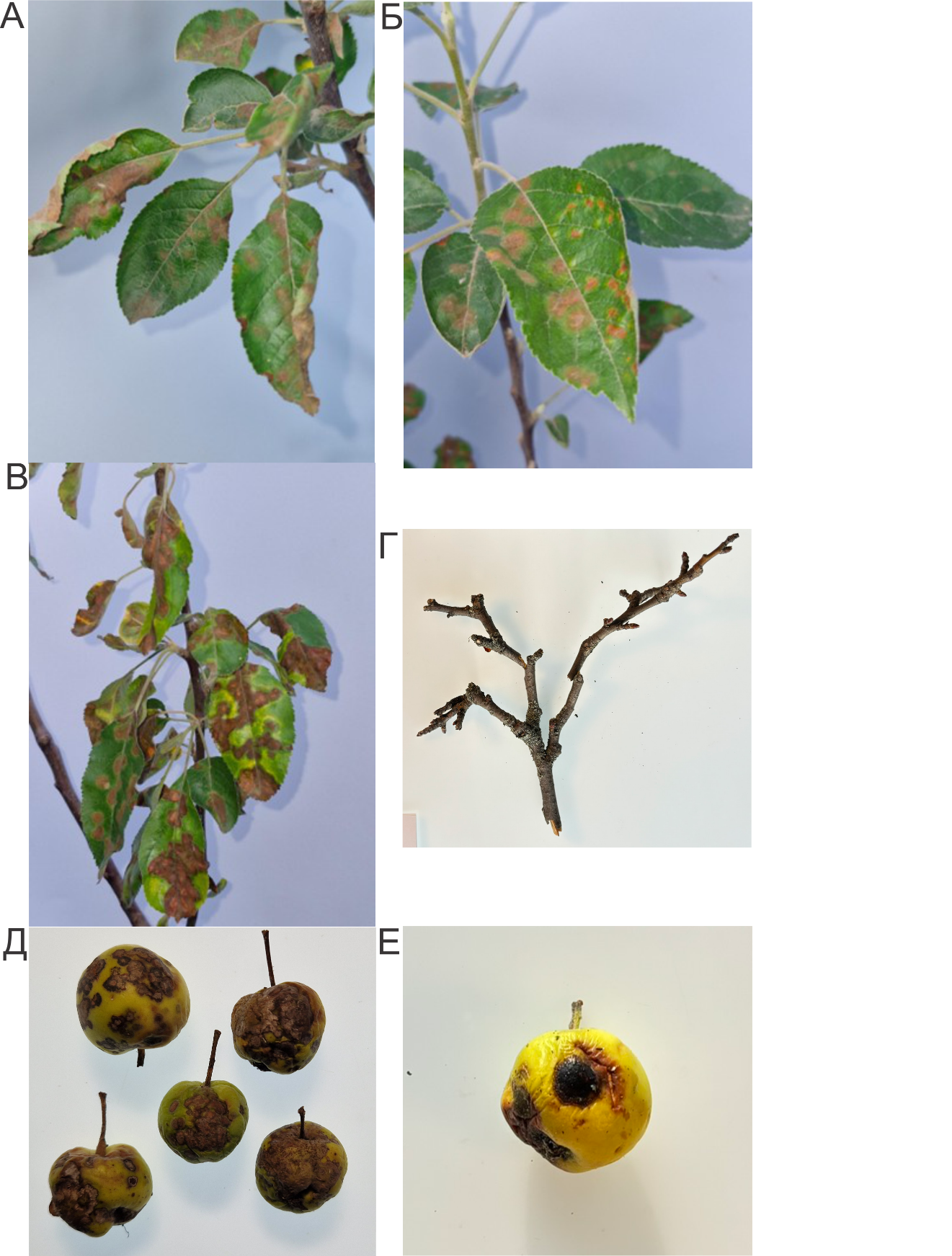
А, Б, В — apple leaves affected by infection
Г — branches showing signs of fire blight
Д, Е — apple fruits infected with scab
Figure 1 – Symptoms of Malus plants infected by the phytopathogens Venturia inaequalis and Erwinia amylovora.
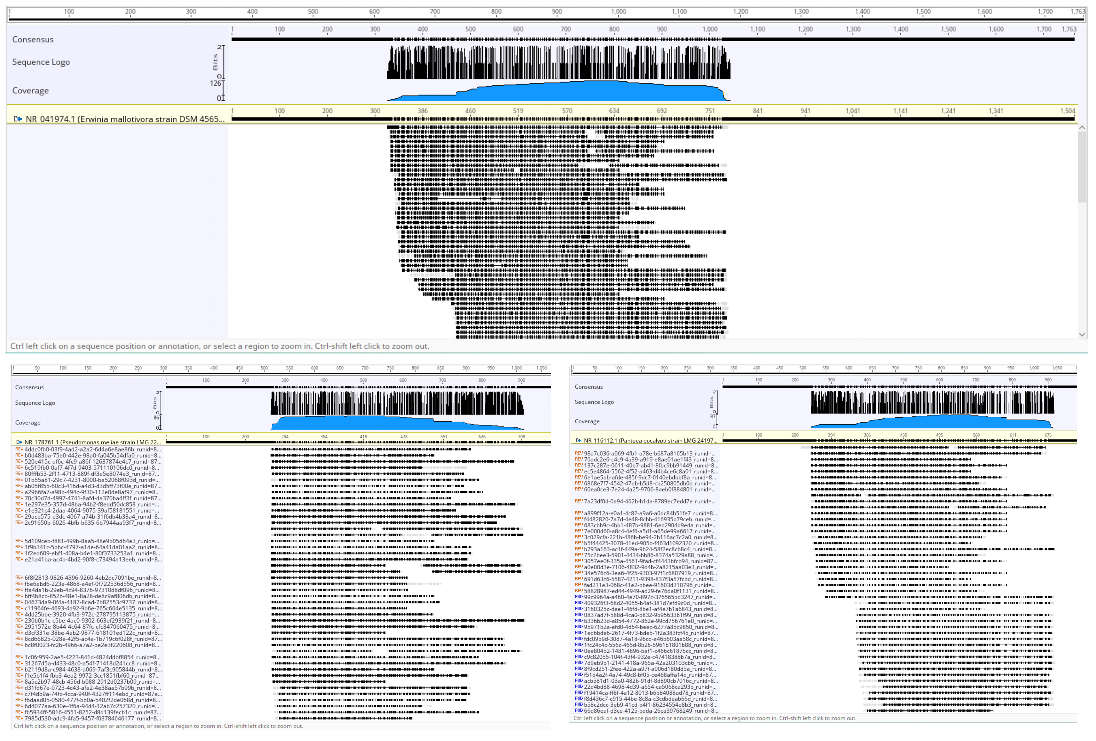
Figure 2 – Results of metagenomic sequencing based on the 16S marker
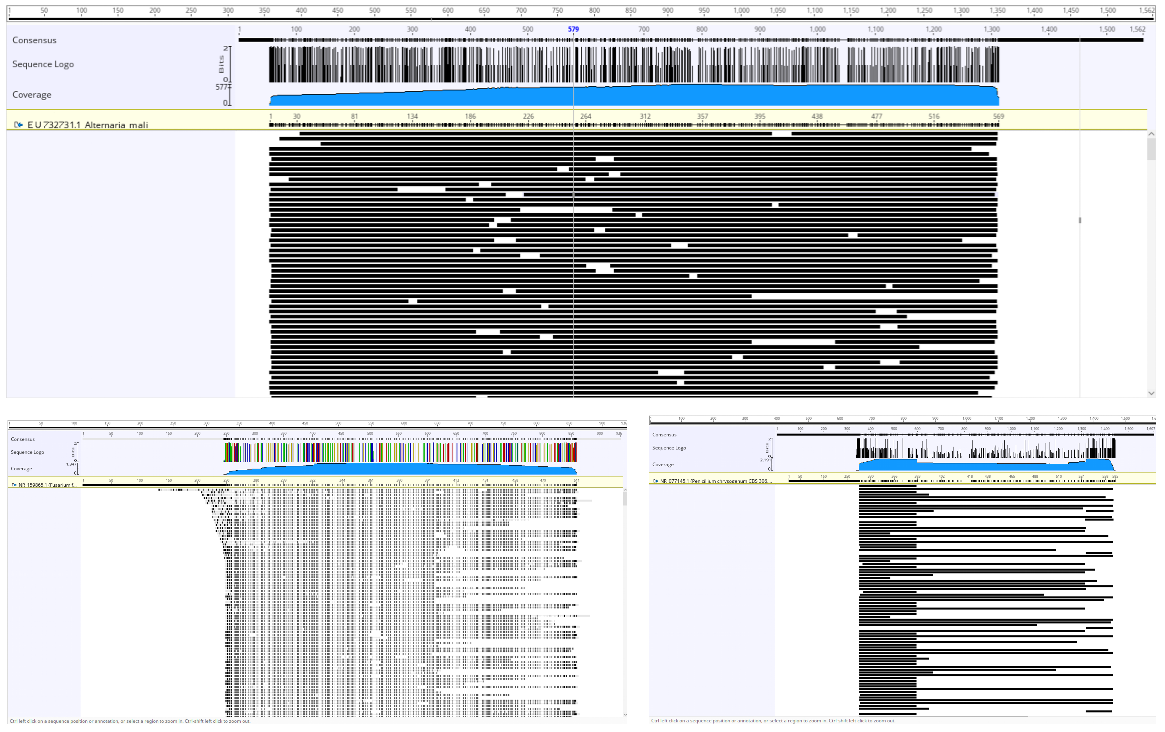
Figure 3 – Results of metagenomic sequencing based on the ITS marker
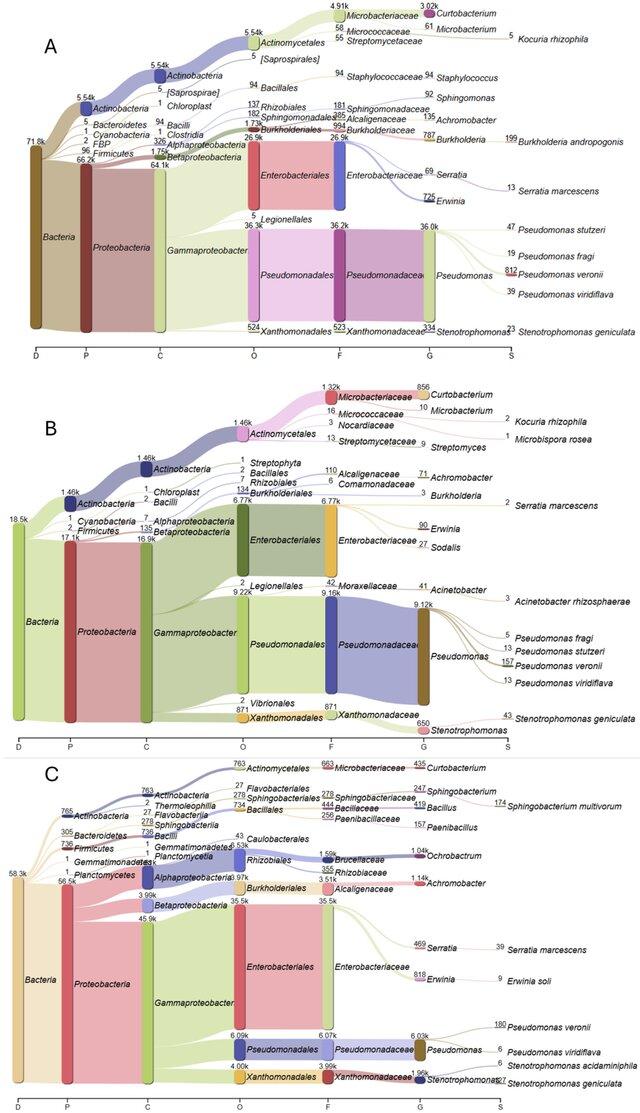
Figure 4– Sequencing results of populations from three regions. (A) Ile Alatau region. (B) Zhongar Alatau region. (C) Ketpentau region.
Colors indicate different taxonomic groups
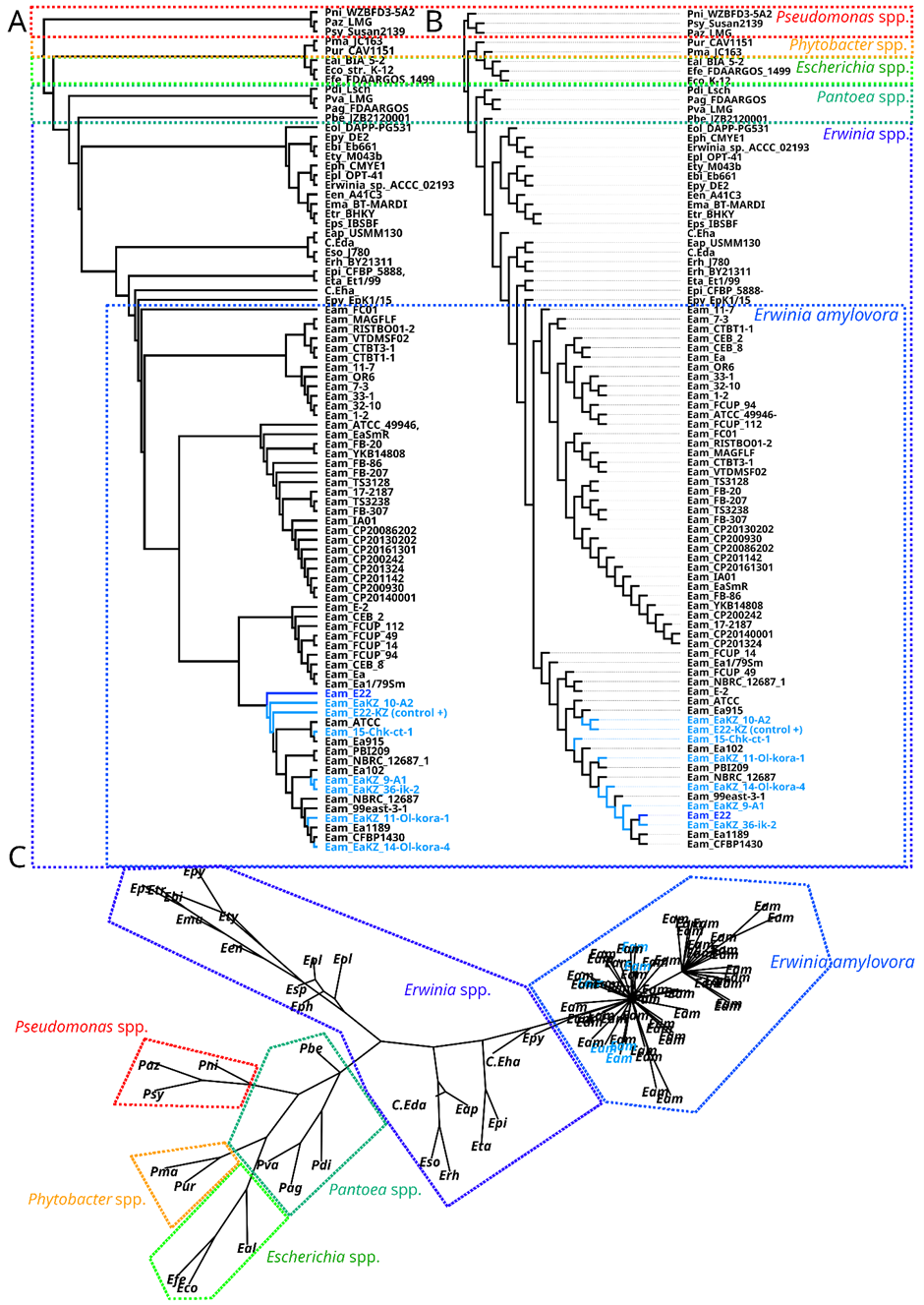
A) Phylogenetic tree constructed based on concatenated genes; B) Consensus tree built from individual gene trees for rpsL, rplN, infB, and hisS; C) Consensus network generated from individual trees for the same genes. Local isolates are shown in blue.
Figure 5 — Phylogenetic analysis of Erwinia amylovora isolates
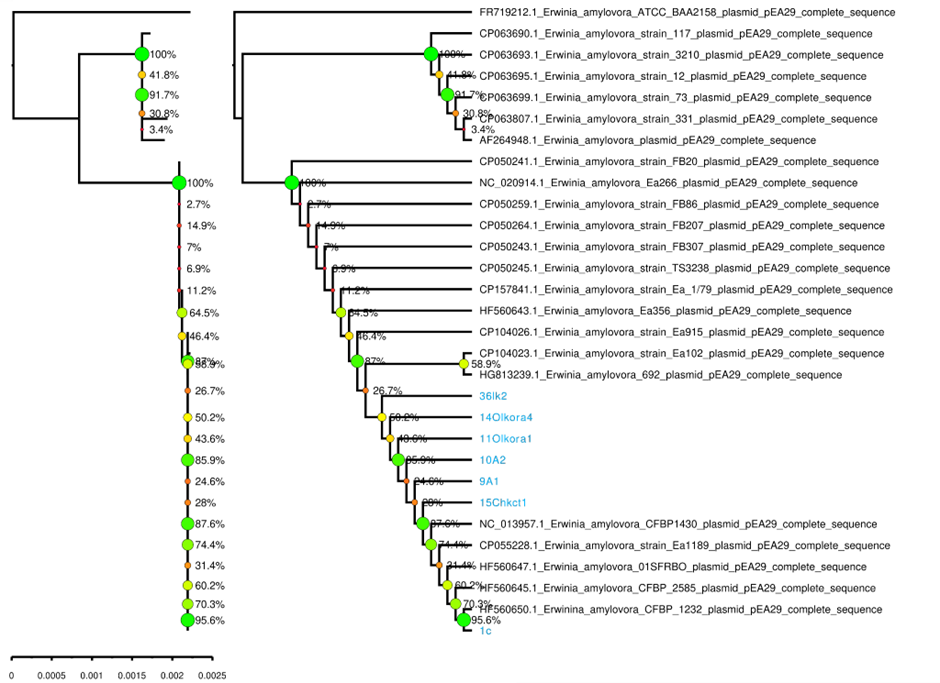
Figure 6 — Maximum likelihood phylogenetic tree based on complete sequences of the pEA29 plasmid. The cladogram on the right illustrates the branching topology without considering distances
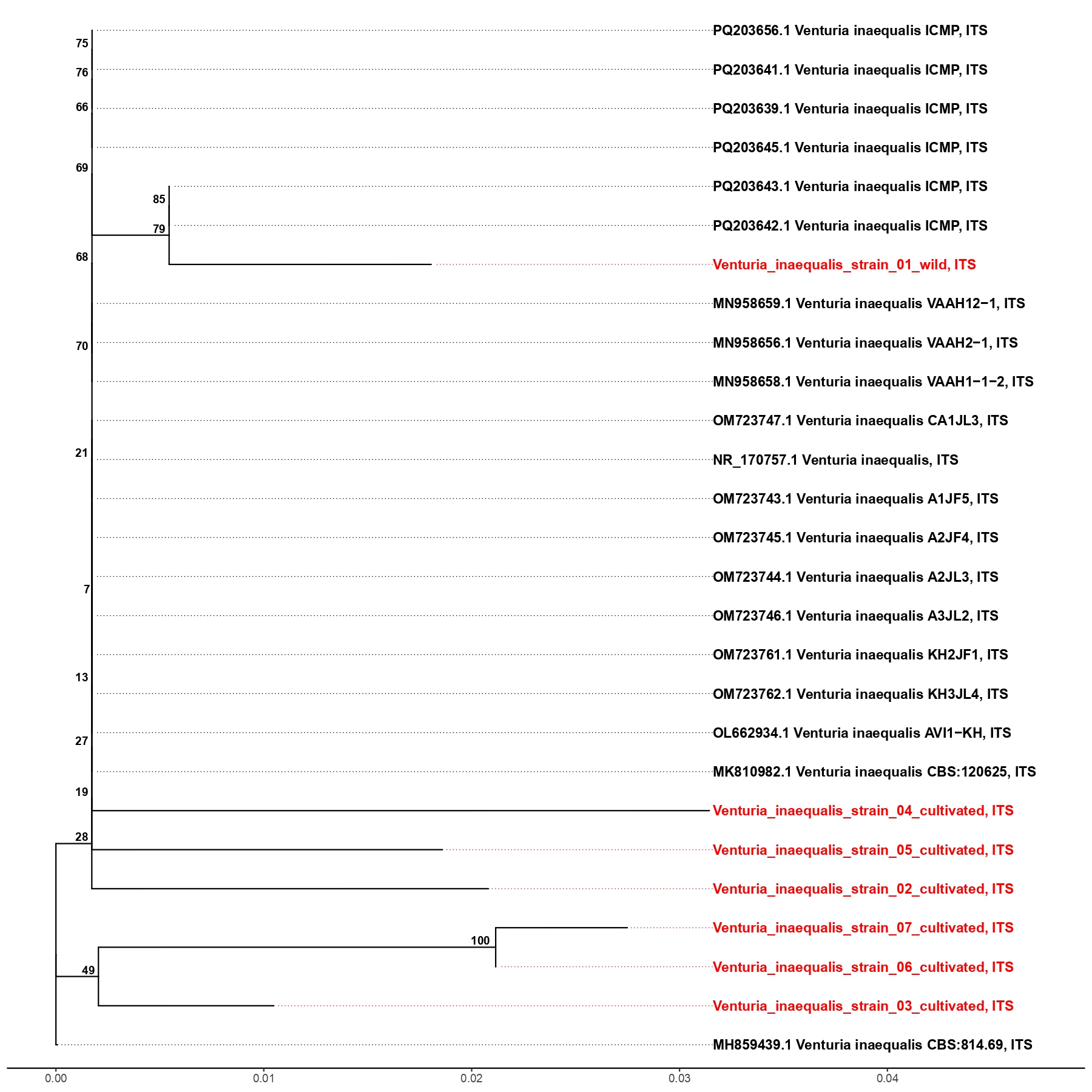
Figure 7 — Phylogenetic analysis of Venturia inaequalis isolates
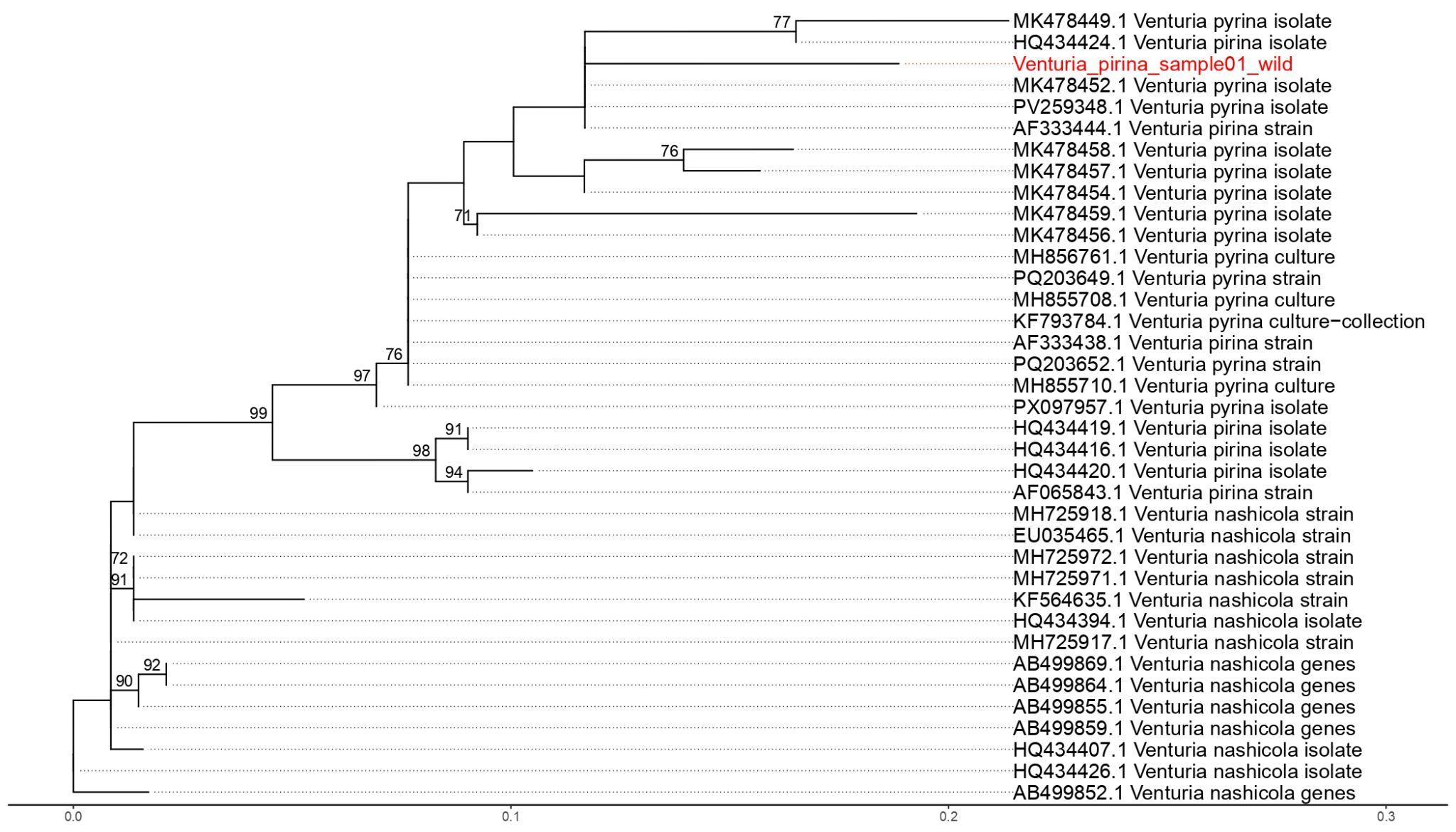
Figure 8 — Phylogenetic analysis of Venturia pirina isolates
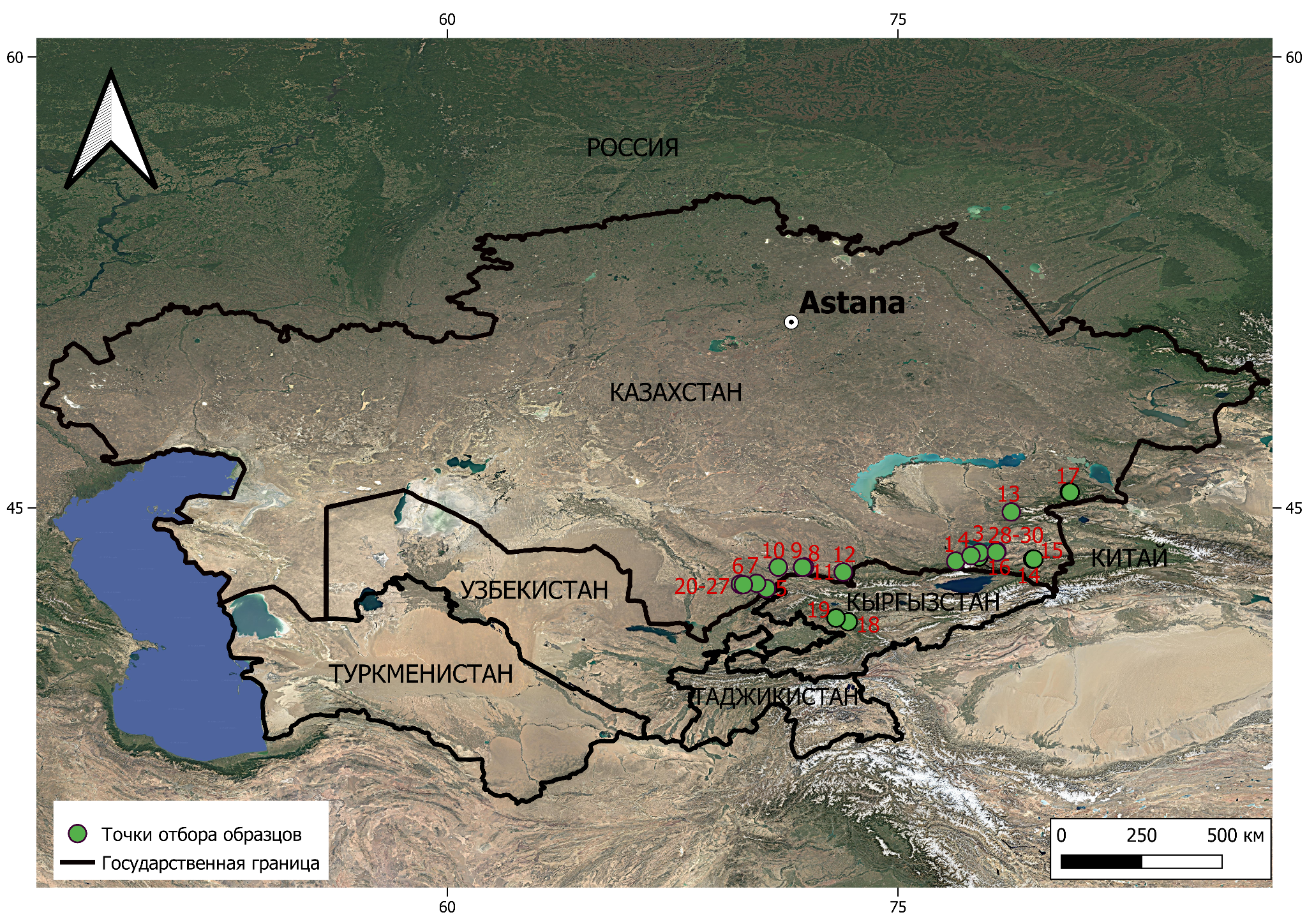
Figure 9 — Territory of sample collection
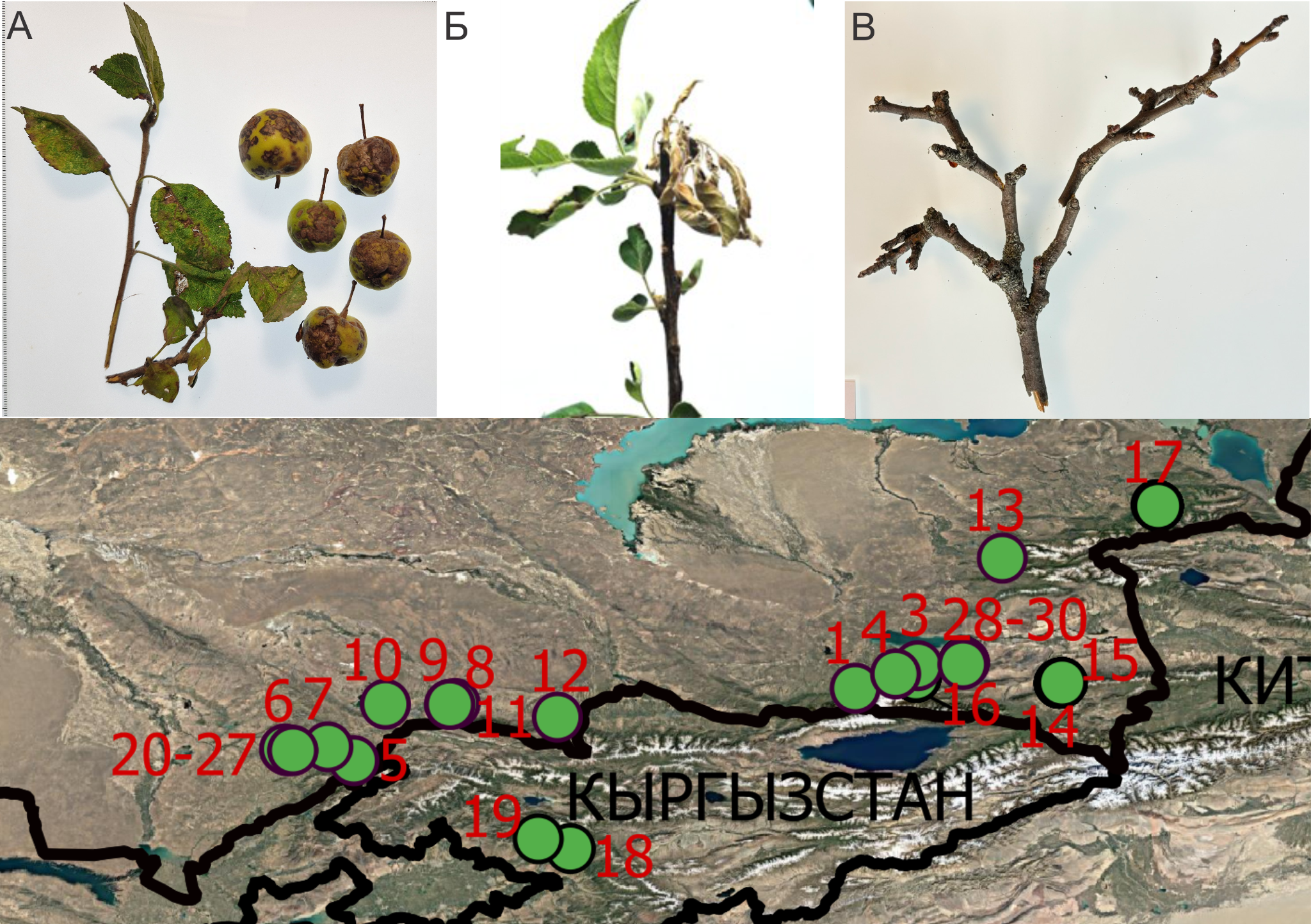
A — apple leaves and fruits with scab symptoms
B and C — apple and pear twigs with fire blight symptoms
Figure 10 — Fragment of the map of sample collection territory
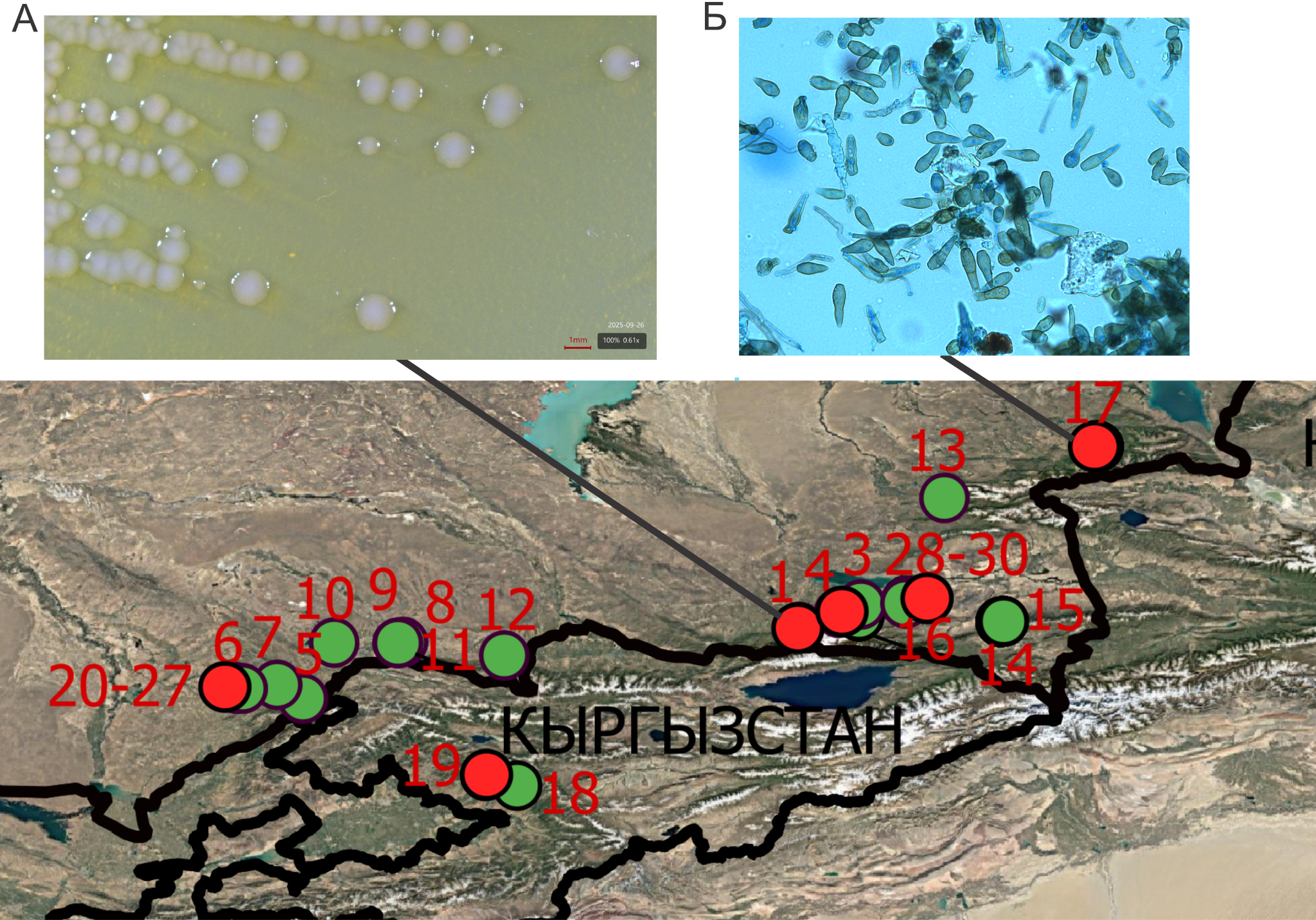
A — morphology of Erwinia amylovora colonies at 0.61X magnification
B — microscopy image of Venturia inaequalis at 40X magnification
Figure 11 — Fragment of the map of Erwinia amylovora and Venturia inaequalis circulation in populations of wild and cultivated apple and pear

