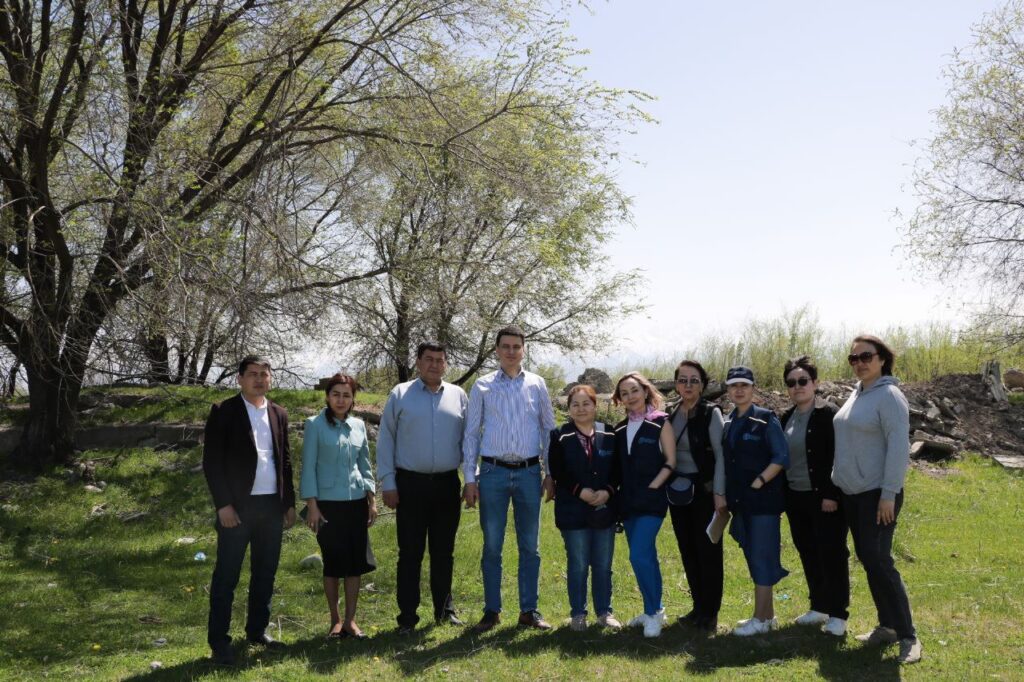

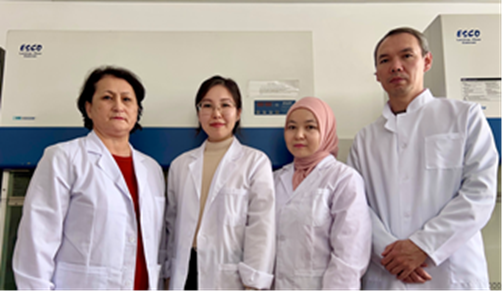
Head of the Laboratory: Usenbekov Bakdaulet Naubaevich, Candidate of Biological Sciences, Associate Professor.
Since 2011, he has served as the Head of the Laboratory of Plant Physiology and Biochemistry. He graduated in 1996 from the Faculty of Biology at al-Farabi Kazakh National University with a degree in Biology. In 2004, he defended his Candidate’s dissertation in the specialty 03.00.12 – Plant Physiology and Biochemistry. In 2018, he was awarded the academic title of Associate Professor.
Plant physiology and biochemistry, Biotechnology, In vitro plant cell and tissue culture, Rice breeding, Development of innovative plant-based technologies
Scientific Output and Achievements: аuthor of more than 90 scientific publications, сo-author of seven innovative patents of the Republic of Kazakhstan: сo-developer of Kazakhstan’s first domestic glutinous rice variety, Kazvetta
Contact Information: Address: Timiriazev 45, 050040 Almaty.
Phone/Fax: +7 (727) 394-75-62 / 394-75-61
Mobile: +7 707 554 63 78
E-mail: bakdaulet7@yandex.ru
Assil Nurzhanova – Principal Research Associate, Doctor of Biological Sciences, Professor
Valentina Mursaliyeva – Leading Research Associate, Candidate of Biological Sciences
Aigul Amirova – Leading Researcher, Candidate of Biological Sciences, Associate Professor
Innabat Sartbaeva – Leading Researcher, Ph.D.
Aigerim Mamirova – Senior Researcher, Ph.D.
Assiya Nurmagambetova – Senior Researcher, Master’s Degree
Tlek Mukhanov – Research Associate, Master’s Degree
Zhadyra Zhumasheva – Research Associate, Master’s Degree
Dana Mynbayeva – Research Associate, Master’s Degree, Ph.D. Student
Taira Kurbangaliyeva – Research Associate, Master’s Degree, Ph.D. Student
Balaussa Sarsenbek – Junior Researcher, Master’s Degree
Akmaral Algazy – Junior Researcher, Master’s Degree
Balnur Nurlybay – Laboratory Assistant, Bachelor’s Degree
Nurlan Usenbekov – Laboratory Assistant, Bachelor’s Degree
Key Research Directions of the Laboratory
- Investigation of the physiological and biochemical mechanisms underlying plant adaptation to biotic and abiotic stresses, with the aim of developing technologies that enhance tolerance to unfavourable environmental conditions.
- Development of phytoremediation and phytomanagement approaches for soils contaminated with heavy metals and organochlorine pesticides, using Miscanthus × giganteus.
- Breeding and biotechnological development of high-yielding varieties, lines, and hybrids of grain and industrial crops.
- Study of morphogenetic and metabolic processes in plant tissue and cell cultures, and development of methodological frameworks for the conservation, propagation, and sustainable utilisation of Kazakhstan’s plant genetic resources.
- Development of technologies for producing new biologically active compounds and specialised food products.
- Formulation of a comprehensive theory describing plant adaptation to abiotic environmental stressors.
- Identification of physiological and biochemical mechanisms underlying plant responses to xenobiotics, and development of phytoremediation-based strategies for soil restoration.
- Proposal of a membrane-based concept explaining the initial stages of plant responses to adverse environmental conditions.
- Demonstration of enhanced biochemical and physiological tolerance of Miscanthus × giganteus to toxic elements following inoculation with PGPR strains.
- Development and patenting of an in vitro propagation method for Miscanthus × giganteus.
- Development and patenting of a phytoremediation technology and an approach to increase the stress tolerance of Miscanthus × giganteus through PGPR-based bacterization.
- Creation of two PGPR-based biological products designed to increase biomass yield of the energy crop Miscanthus × giganteus and to support targeted phytoremediation processes.
- Development and patenting of methods for producing biochar from the post-phytoremediation biomass of Miscanthus × giganteus.
- Development and patenting of methods for immobilising bacterial–yeast consortium cells on biochar surfaces.
- Creation of new rice varieties (Altynai, Bakanassky, Madina, Kazvetta, Fatima) that have been included in the State Register of Breeding Achievements of the Republic of Kazakhstan.
- Development of methods for extracting biologically active compounds from plants and technologies for producing specialised food products.
- Development and patenting of biotechnological methods for in vitro conservation, propagation, and long-term storage of several rare and endemic plant species native to Kazakhstan.
- Establishment of a scientific and technological basis for the conservation and sustainable use of natural resources of Turkestan soap root (Allochrusa gypsophiloides), a high-value producer of technical and medicinal saponins.
- Development of clonal in vitro root cultures from elite high-yielding lines of Allochrusa gypsophiloides, exhibiting pronounced antibacterial and antifungal activity.
International Research Projects
FAO Project GCP/SEC/011/GFF (2024–2025): Technical Assistance for Implementing Field-Scale Microbe-Assisted Phytoremediation of POP Pesticide- and Heavy Metal-Contaminated Soils. Project Manager: Assil Nurzhanova.
FAO Project GCP/SEC/011/GFF (2023–2024): Technical Assistance in Implementation of Laboratory Trials on Bioremediation and Phytoremediation of Soils Contaminated by POPs and Heavy Metals. Project Manager: Assil Nurzhanova.
NATO SPS MYP G4687 (2016–2020): New Phytotechnology for Cleaning Contaminated Military Sites. Project Manager: Assil Nurzhanova.
BR28712539 (2025–2027): Molecular-genetic mechanisms underlying the formation of economically valuable traits in major agricultural crops. Sub-project 0125РК00733: Study of the molecular-genetic basis for increasing yield and improving grain quality in domestic rice.
AP26104353 (2025–2027): Creation of a rice line with increased amylose content using marker-assisted selection (MAS).
AP23487419 (2024–2026): Development of phytomanagement strategies for xenobiotic-contaminated soils using PGPR-immobilised biochar and metagenomic tools.
AP23488116 (2024–2026): Study of saponin-producing plants (family Caryophyllaceae) from Kazakhstan’s flora to develop new bactericidal and fungicidal biological crop protection products.
АР19679273 (2023–2025): Development of a phytostabilisation technology for soils complexly contaminated with toxic substances within a “zero-waste” energy approach.
AP09259724 (2021–2023): Optimisation of Miscanthus × giganteus productivity and phytoremediation efficiency on heavy metal-contaminated soils using PGPR.
АР09258985 (2021–2023): Biotechnological development of adventitious root cultures of Turkestan soap root (Allochrusa gypsophiloides) for in vitro production of commercially valuable secondary metabolites.
BR18574149 (2022–2024): Creation of highly productive varieties and lines of agricultural crops based on innovative biotechnology. Sub-project 0123RK00018: Development of a rice variety with coloured pericarp and blast resistance for Kazakhstan’s rice-growing regions.
AP14869300 (2022–2024): Increasing rice resistance to Magnaporthe oryzae using marker-assisted selection (MAS).
AP05132714 (2018–2020): Physiological, biochemical, and molecular-genetic foundations for developing a domestic rice variety with coloured pericarp.
AP05131473 (2018–2020): Development of phytoremediation methods for heavy metal-contaminated soils based on plant–microbe association design.
1103/GF4 (2015–2017): Development of propagation technologies, germplasm preservation, and restoration of natural populations of the endemic Turkestan soap root (Allochrusa gypsophiloides) for sustainable industrial use.
2171/GF4 (2015–2017): Screening of sweet sorghum varieties for productivity and drought resistance for applications in bioenergy, food production, and forage systems.
2172/GF4 (2015–2017): Creation of high-yielding, cold-tolerant rice forms and lines adapted to the northern rice-growing regions of Kazakhstan.
2113/GF4 (2015–2017): Biotechnological development of salt-tolerant, high-yielding rice lines for breeding domestic varieties.
2168/GF4 (2015–2017): Creation of domestic glutinous rice varieties for infant and dietary nutrition using molecular-genetic and biochemical markers.
0451/GF4 (2015–2017): Development of technologies for improving soils contaminated with heavy metals and pesticides using Miscanthus × giganteus as an effective phytoremediation species.
Contract-Based Research Projects
2023–2024: BR18574022 “Microbial preparations for controlling bacterial fire blight of fruit crops.” Commissioning organisation: Research and Production Center for Microbiology and Virology.
2021: BR10264471 “Accelerated propagation of hard-to-propagate and rare plant species, as well as tree species, using biotechnological methods for urban landscaping and establishing mother plantations.” Commissioning organisation: Institute of Botany and Phytointroduction.
2019–2020: Comprehensive assessment of the environmental conditions and public health of the city of Kentau and surrounding settlements. Commissioning organisation: EcoService-S LLP.
2018–2020: BR05236506 “Development of a biotechnology for micropropagation and creation of a clone collection using clonal micropropagation methods.” Commissioning organisation: Mangyshlak Experimental Botanical Garden.
2018–2020: BR05236379 “Comprehensive assessment of the impact of obsolete and banned pesticides on the genetic status and health of the population of Almaty Region.” Commissioning organisation: Institute of General Genetics and Cytology.
2018: Study of Turkish rice lines under the conditions of the Akdalinsk rice-growing area, Almaty Region. Commissioning organisation: Agrobest Kazakhstan LLP.
Scientific Collaboration with International and National Organizations
Central Botanical Garden, Minsk, Belarus
Hokkaido Agricultural Research Center, Sapporo, Japan
I.G. Kalinenko All-Russian Research Institute of Cereal Crops, Zernograd, Russia
Institute of Biochemistry and Physiology of Plants and Microorganisms, Saratov, Russia
Institute of Botany, Baku, Azerbaijan
Institute of General Genetics and Cytology, Novosibirsk, Russia
International Rice Research Institute, Los Baños, Philippines
International Science and Technology Center, Moscow, Russia
Jan Evangelista Purkyně University, Ústí nad Labem, Czech Republic
K.A. Timiryazev Russian State Agrarian University, Moscow, Russia
Kansas State University, Kansas, USA
Muğla Sıtkı Koçman University, Muğla, Turkey
Pamukkale University, Denizli, Turkey
Petrozavodsk State University, Republic of Karelia, Russian Federation
Primorsky Research Institute of Agriculture, Ussuriysk, Russian Federation
Rice Research Institute, Krasnodar, Russia
Ufa Scientific Center, Institute of Biology, Ufa, Russia
National Partners:
Al-Farabi Kazakh National University
Almaty Technological University
I. Zhakhayev Kazakh Research Institute of Rice Growing, JSC “KazAgroInnovation”
Kazakh National Agrarian University
Kazakh National Women’s Pedagogical University
Kazakh Research Institute of Agriculture and Crop Production
Satbayev University
Academic Training and Student Supervision
A total of 12 Bachelor’s students, 6 Master’s students, and 6 PhD graduates have been trained within the laboratory.
Supervision of Bachelor’s Students
2022 – Myrzakhan A.; Abilkhaer Z.; Ebdikhalyk A. Al-Farabi Kazakh National University. Specialty: 5B070100 – Biotechnology. Study of the effect of heavy metals on the bioenergy growth and physiological traits of Miscanthus sp. Supervisor: Dr.Sc. Nurzhanova A.A.
2019 – Arystanbekova F.E. Al-Farabi Kazakh National University. Specialty: 5B070100 – Biotechnology. Salt tolerance features of pericarp-colored red rice genotypes in the Republic of Kazakhstan. Supervisor: C.Sc. Usenbekov B.N.
2019 – Medium S.E. Al-Farabi Kazakh National University. Specialty: 5B070100 – Biotechnology. Salt tolerance features of pericarp-colored black rice genotypes in the Republic of Kazakhstan. Supervisor: C.Sc. Usenbekov B.N.
2018 – Tlepbergenova N.T. Al-Farabi Kazakh National University. Specialty: 5B070100 – Biotechnology. Experimental morphogenesis of rice pollen. Supervisor: C.Sc. Usenbekov B.N.
2018 – Nuraly B.K. Al-Farabi Kazakh National University. Specialty: 5B070100 – Biotechnology. Screening of cold-tolerant rice genotypes for use in domestic breeding programs. Supervisor: C.Sc. Usenbekov B.N.
2017 – Koshaeva G.A. Al-Farabi Kazakh National University. Specialty: 5B070100 – Biotechnology. Salt tolerance features of rice genotypes. Supervisor: C.Sc. Usenbekov B.N.
2016 – Aipova G.A. Al-Farabi Kazakh National University. Specialty: 5B070100 – Biotechnology. Features of microclonal propagation of common lilac (Syringa vulgaris). Co-supervisor: C.Sc. Mursalieva V.K.
2016 – Katygulova M.B. Kazakh State Women’s Pedagogical University. Specialty: 5B011300 – Biology. Obtaining and characterization of callus culture of Kazakh wormwood (Artemisia kasakorum Krasch. Pavlov). Supervisor: C.Sc. Mursalieva V.K.
Supervision of Master’s Students
2023 – Sarsenbek B.T. Al-Farabi Kazakh National University. Specialty: 050701 – Biotechnology. Study of the regenerative capacity of the relic endemic Incarvillea niedzwedzkia semiretschenskia in vitro and in vivo. Supervisor: C.Sc. Mursalieva V.K.
2017 – Balmukhanov A. Al-Farabi Kazakh National University. Specialty: 050701 – Biotechnology. Phytoremediation of soils contaminated with xenobiotics using Miscanthus × giganteus. Supervisor: Dr.Sc. Nurzhanova A.A.
2017 – Mukhamazhan A.M. Satbayev University. Specialty: 6M070100 – Biotechnology. Haploid biotechnology of rice (Oryza sativa L.). Supervisor: C.Sc. Usenbekov B.N.
2016 – Oraz S. Al-Farabi Kazakh National University. Specialty: 050701 – Biotechnology. Early diagnosis and creation of initial barley lines resistant to salinization. Supervisor: Dr.Sc. Nurzhanova A.A.
2016 – Zinolla A.Z. Kazakh National Agrarian University. Specialty: 6M070100 – Biotechnology. Optimization of cultivation conditions for microclonal propagation of highly decorative rhododendron (Rhododendron spp.). Supervisor: C.Sc. Mursalieva V.K.
2015 – Seisenbai Sh.T. Al-Farabi Kazakh National University. Specialty: Biology. Rhizosphere remediation of soils contaminated with chlorinated organic pesticides. Supervisor: Dr.Sc. Nurzhanova A.A.
Supervised PhD Dissertation Defenses
2024 – Berkimbay Kh.A. Specialty: 6D080100 – Agronomy. PhD Dissertation: Biological characteristics of colored-pericarp rice genotypes under Akdala field conditions. Supervisor: C.Sc. Usenbekov B.N.
2022 – Bayseitova G.A. Specialty: 6D080100 – Agronomy. PhD Dissertation: Study of productivity and biological characteristics of rice varieties in the southeast region of Kazakhstan. Supervisor: Dr.Sc Sarsenbaev B.A.
2022 – Mamirova A.A. Specialty: 6D070100 – Biotechnology. PhD Dissertation: Restoration of soils contaminated with chlorinated organic pesticides using second-generation bioenergy crops with subsequent cascade biomass utilization. Supervisor: Dr.Sc. Nurzhanova A.A.
2019 – Kazkeeva D.T. Specialty: 6D080100 – Agronomy. PhD Dissertation: Creation of initial material for breeding rice varieties with colored pericarp. Supervisor: Dr.Sc Zhambakin K.Zh.
2019 – Bataeva D.S. Specialty: 6D011300 – Biology. PhD Dissertation: Using methods of rice salt tolerance in the educational process to develop professional competence of future teachers. Supervisor: C.Sc. Usenbekov B.N.
2018 – Zhanbirbaev E.A. Specialty: 6D080100 – Agronomy. PhD Dissertation: Obtaining cold-tolerant forms and lines of rice adapted to northern regions for domestic variety development. Supervisor: Dr.Sc Sarsenbaev B.A.
2017 – Sartbaeva I.A. Specialty: 6D060700 – Biology. PhD Dissertation: Biotechnology for producing promising glutinous rice lines for use in breeding. Supervisor: C.Sc. Usenbekov B.N.
International Research Internships of Laboratory Staff
2025 – Muğla, Turkey. Muğla Sıtkı Koçman University
2025, 2024, 2023, 2021, 2020 – Saratov, Russia. Institute of Biochemistry and Physiology of Plants and Microorganisms
2023, 2022, 2021, 2019, 2017 – Ústí nad Labem, Czech Republic. Jan Evangelista Purkyně University
2016 – Tsukuba, Japan. NARO, Rice Quality Research Unit, Institute of Crop Science
2016 – Denizli, Turkey. Pamukkale University
2016 – Krasnodar, Russia. Rice Research Institute
2015 – Sapporo, Japan. Hokkaido Agricultural Research Centre
2015 – Los Baños, Philippines. International Rice Research Institute
2015 – Kansas, USA. Kansas State University
Honorary Academic Titles Awarded to Laboratory Staff
2018 – Associate Professor
Awarding body: Ministry of Education and Science of the Republic of Kazakhstan
Recipient: C.Sc. Usenbekov B.N.
2016 – Professor
Awarding body: Ministry of Education and Science of the Republic of Kazakhstan
Recipient: Dr.Sc. Nurzhanova A.A.
Awards and Honors Received by Laboratory Staff
2024 – Head of Laboratory, C.Sc. Usenbekov B.N. Badge of Honor “For Contribution to the Development of Science”
2023 – Leading Research Associate, C.Sc. Mursaliyeva V.K. Badge of Honor “For Contribution to the Development of Science”
2023 – Senior Researcher, Nurmagambetova A. Certificate of Appreciation from the Minister of Science and Higher Education
2023 – Research Associate, Zhumasheva Zh. Certificate of Appreciation from the Minister of Science and Higher Education
2022 – Principal Research Associate, Dr.Sc., Professor Nurzhanova A.A. Badge of Honor “For Contribution to the Development of Science”
2018 – Principal Research Associate, Dr.Sc., Professor Nurzhanova A.A “Enbek Ardageri” Medal
2017 – Leading Research Associate, C.Sc. Mursaliyeva V.K. Certificate of Honor, Ministry of Education and Science of the Republic of Kazakhstan
2015 – Principal Research Associate, Dr.Sc., Professor Nurzhanova A.A. Nevada-Semey Medal
2014 – Principal Research Associate, Dr.Sc., Professor Nurzhanova A.A. Certificate of Honor, Ministry of Education and Science of the Republic of Kazakhstan
Key Publications and Scientific Output
During 2015–2025, laboratory staff: released 2 monographs, prepared 5 methodological manuals,
published 52 scientific articles, and obtained 15 patents and implementation acts of the Republic of Kazakhstan.
Monographs
Usenbekov B.N., Sarsenbayev B.A., Zhambakin K.Zh., Mukhametzhanov S.K., Amirova A.K., et al. Physiological-Biochemical, Genetic-Breeding, and Biotechnological Studies of Rice in Kazakhstan. Almaty: Toganay T, 2024. — 520 pp.
Nurzhanova A., Zhansugurova L.B., Zhappasov R.Zh., Vsevolodov E.B., Zhubanova A.A., et al. Cadastre of Obsolete Pesticides in Almaty Region (using Talgar District as an Example). Almaty: Kazakh University, 2022. — 116 pp.
Methodological Manuals
Mursaliyeva V.K., Mammadov R., Sarsenbek B.T., Algazy A.T., Mukhanov T.M. In Vitro Culture of Turkestan Soap Root (Allochrusa gypsophiloides (Regel) Schischk). Almaty: Quick Print, 2023. — 40 pp.
Mursaliyeva V.K., Nam S.V., Kozhebaeva Zh.S., Mukhanov T.M., Imanbaeva A.A. Microclonal Propagation of Rare and Collection Plants of the Mangyshlak Experimental Botanical Garden. Almaty, 2020. — 50 pp.
Mursaliyeva V.K., Kozhebaeva Zh.S., Nam S.V., Rakhimbaev I. Turkestan Soap Root: Propagation Methods. Almaty, 2017. — 25 pp.
Mursaliyeva V.K., Satybaldieva D.N., Rakhimbaev I.R. Microclonal Propagation of Crocus: Methodological Guidelines. Almaty: IP Volkova, 2015. — 24 pp.
Nurzhanova A.A., Dzhansugurova L.B., Dzhangalina E.D., Shadenova E.A., Mamirova A.A., Mit N.V., Amirgalieva A.S., Begmanova M.O., Tolebaeva A.D., Khamdieva O.Kh., et al. Obsolete Persistent Pesticides: Reality and Threat. Almaty: Kazakh University, 2020. — ISBN 978-601-04-4791-2.
Scientific Articles
2025
Nurzhanova A., Boulygina E., Sungurtseva I., Mamirova A., Berzhanova R., Muratova A. Miscanthus × giganteus rhizobacterial community responses to Zn and oil sludge co-contamination. Agronomy, 2025, 15(9): 2232.
Nurzhanova A., Pidlisnyuk V., Nurmagambetova A., Zhumasheva Z., Naizabayeva L., Mamirova A. Biochar as a tool to optimise Miscanthus sinensis resilience and phytoremediation efficiency: case study of contamination by a mixture of Ni and 4,4′-DDE. Environmental Chemistry and Ecotoxicology, 2025, 7: 802–818.
2024
Amirova A., Usenbekov B., Berkimbay Kh., Mynbayeva D., Atabayeva S., Baiseitova G., Meldebekova A., Zhunusbayeva Zh., Kenzhebayeva S., Mukhambetzhanov S. Selection of rice breeding lines for resistance to biotic and abiotic stresses. Brazilian Journal of Biology, 2024, 84: e282495.
Mynbayeva D., Amirova A., Usenbekov B., Dubina E., Sartbayeva I., Zhunusbayeva Z., Yrgynbayeva S., Askhat K., Zeinalov Z. Enhancing rice blast resistance through gene pyramiding and marker-assisted selection. ES Energy & Environment, 2024, 26: 1349.
Nurzhanova A.A., Mamirova A., Mursaliyeva V., Nurmagambetova A.S., Zhumasheva Z., Turdiyev T., Kushnarenko S., Ismailova E. In vitro approbation of microbial preparations to shield fruit crops from fire blight: physio-biochemical parameters. Plants, 2024, 13: 1431.
Nurzhanova A.A., Pidlisnyuk V.V., Nurmagambetova A.S., Zhumasheva Z., Mamirova A.A. novel phyto plant of pop-pesticides: energy crop Miscanthus sinensis. Experimental Biology, 2024, 99: 140–152.
Usenbekov B., Amirova A., Zeinalov Z., Meldebekova A., Mynbayeva D., Berkimbay Kh., Kurbangaliyeva T. Creation of rice doubled haploids with low amylose content using in vitro anther culture. Brazilian Journal of Biology, 2024, 84: e284946.
Usenbekov B.N., Mukhambetzhanov S.K., Mynbaeva D., Amirova A.K., Berkimbay Kh.A., Ospanova A., Turganova Ch. Rice (Oryza sativa L.) androgenesis in vitro. Bulletin of Al-Farabi KazNU, 2024, 1: 4–11.
Усенбеков Б.Н., Мухамбетжанов С.К., Мынбаева Д., Амирова А.К., Беркимбай Х.А., Оспанова А., Турганова Ч. Структура урожайности генотипов риса с окрашенным перикарпом поздних поколений. Исследования, результаты, 2024, 1: 46–56.
2023
Baiseitova G., Berkimbay Kh., Mynbayeva D., Nussupova A., Amirova A.K., Usenbekov B., et al. Heritability and amylose content in hybrid lines of late-generation rice with colored pericarp. Brazilian Journal of Biology, 2023, 83: e280919.
Mamirova A., Pidlisnyuk V., Hrabak P., Shapoval P., Nurzhanova A. Biochar-supported phytoremediation of dredged sediments contaminated by HCH isomers and trace elements using Paulownia tomentosa. Sustainability, 2024, 16: 9080.
Muratova A., Golubev S., Romanova V., Nurzhanova A. Effect of heavy-metal-resistant PGPR inoculants on growth, rhizosphere microbiome and remediation potential of Miscanthus × giganteus. Microorganisms, 2023, 11: 1516.
Mursaliyeva V.K., Algazy A.T., Satybaldiyeva D.N., Mukhanov T.M. Adventitious root in vitro cultures of Turkestan soaproot. Bulletin of KazNU. Biological Series, 2023, 1(94): 25–39.
Mursaliyeva V., Algazy A., Satybaldiyeva D., Mukhanov T. Obtaining adventitious root culture of Allochrusa gypsophiloides. Plant Biotechnology Reports, 2023, 17(3): 421–425.
Mursaliyeva V.K., Mukhanov T.M., Gemejiyeva N.G., Yeskaliyeva B.K. Chemical analysis and biological activity of Turkestan soaproot. Khimiya Rastitel’nogo Syr’ya, 2023, 3: 183–191.
Mursaliyeva V.K., Sarsenbek B.T., Algazy A.T., Turasheva S.K., Mukhanov T.M., et al. In vitro regeneration ability of the relict endemic Niedzwedzkia semiretschenskia. Fundamental and Experimental Biology, 2023, 3(111): 115–124.
Mursaliyeva V.K., Sarsenbek B.T., Dzhakibaeva G.T., Mukhanov T.M., Mammadov R. Total content of saponins, phenols and flavonoids and antioxidant and antimicrobial activity of in vitro culture of Allochrusa gypsophiloides. Plants, 2023, 12(20): 3521.
Mursaliyeva V., Sarsenbek B., Mukhanov T., Imanbayeva A. Conservation in tissue culture of Malacocarpus crithmifolius. Natural Products and Biotechnology, 2023, 3(1): 9–15.
Nurzhanova A., Pidlisnyuk V., Berzhanova R., Nurmagambetova A., Terletskaya N., Omirbekova N., Berkinbayev G., Mamirova A. PGPR-driven phytoremediation and physiobiochemical response of Miscanthus × giganteus to trace element stress. Environmental Science and Pollution Research, 2023, 30(42): 96098-96113.
Мынбаева Д.О., Усенбеков Б.Н., Амирова А.К., Жунусбаева Ж.К. Пирикуляриоз риса и методы борьбы. Вестник Карагандинского университета, 2023, 1(109): 98–109.
2022
Muratova A., Lyubun Y., Sungurtseva I., Turkovskaya O., Nurzhanova A. Physiological and biochemical characteristics of Miscanthus × giganteus grown in heavy metal–oil sludge co-contaminated soil. Journal of Environmental Sciences, 2022, 115: 114–125.
Mursaliyeva V., Algazy A., Mukhanov T., Mammadov R., Gemejiyeva N. Quantitative determination of metabolites of Turkestan soaproot (Allochrusa gypsophiloides (Regel) Schischk.) grown in Kazakhstan. International Journal of Nature and Life Sciences, 2022, 6(2): 129–141.
Nurzhanova A., Muratova A., Berzhanova R., Pidlisnyuk V., Nurmagambetova A., Mamirova A. Rhizosphere microorganisms: increasing phytotechnology productivity and efficiency – a review. Reports of the National Academy of Sciences of the Republic of Kazakhstan, 2022, 3: 34–58.
Sailaukhanuly Y., Nurzhanov Ch., Nurzhanova A., Carlsen L. Evaluation of the potential cancer risk of obsolete organochlorine pesticides in abandoned storehouses throughout the Almaty oblast, Kazakhstan. International Journal of Human and Ecological Risk Assessment, 2022, 28(10): 1213–1227.
2021
Mamirova A., Pidlisnyuk V., Amirbekov A., Ševců A., Nurzhanova A. Phytoremediation potential of Miscanthus sinensis in organochlorine pesticide-contaminated soil amended with Tween 20 and activated carbon. Environmental Science and Pollution Research, 2021, 28(13): 16092–16106.
Mit N., Cherednichenko O., Mussayeva A., Khamdiyeva O., Amirgalieva A., Begmanova M., Tolebaeva A., Koishekenova G., Zaypanova S., Pilyugina A., Amandykova M., Tlenshieva A., Nurzhanova A., Mamirova A., Bekmanov B., Djansugurova L. Ecological risk assessment and long-term environmental pollution caused by obsolete undisposed organochlorine pesticides. Journal of Environmental Science and Health, Part B, 2021: 1–13.
Nurzhanova A., Mamirova A., Trögl J., Nebeská D., Pidlisnyuk V.V. Plant–microbe associations in phytoremediation. In: Phytotechnology with Biomass Production: Sustainable Management of Contaminated Sites (Eds. Erickson L.E., Pidlisnyuk V.V.). CRC Press, Taylor & Francis Group, 2021: 123–140.
Nurzhanova A., Mukasheva T., Berzhanova R., Kalugin S., Omirbekova A., Mikolasch A. Optimization of microbial-assisted phytoremediation of soils contaminated with pesticides. International Journal of Phytoremediation, 2021, 23(5): 482–491.
2020
Mursaliyeva V., Imanbayeva A. Micropropagation of Turkestan soap root (Allochrusa gypsophiloides) – a natural source of saponins. International Journal of Secondary Metabolite, 2020, 7(1): 1–7.
Mursaliyeva V., Imanbayeva A., Parkhatova R. Seed germination of Allochrusa gypsophiloides (Caryophyllaceae), an endemic species from Central Asia and Kazakhstan. Seed Science and Technology, 2020, 48(2): 289–295.
Tarla D.N., Erickson L.E., Hettiarachchi G.M., Amadi S.I., Galkaduwa M., Davis L.C., Nurzhanova A., Pidlisnyuk V. Phytoremediation and bioremediation of pesticide-contaminated soil. Journal of Applied Sciences, 2020, 10(4): 1217–1333.
Pidlisnyuk V., Mamirova A., Pranaw K., Shapoval P.Y., Trögl J., Nurzhanova A. Potential role of plant growth-promoting bacteria in Miscanthus × giganteus phytotechnology applied to trace element–contaminated soils. International Biodeterioration & Biodegradation, 2020, 155: 105103.
2019
Mamirova A.A., Nurzhanova A.A., Pidlisnyuk V.V. POP pesticides and reclamation methods (review). Reports of the National Academy of Sciences of the Republic of Kazakhstan, 2019, 6(328): 21–34.
Muratova A.Yu., Lyubun E.V., Sungurtseva I.Yu., Nurzhanova A.A., Turkovskaya O.V. Physiological and biochemical responses of Miscanthus × giganteus to soil contamination with heavy metals. Ecobiotechnology, 2019, 2(4): 482–493.
Nurzhanova A., Pidlisnyuk V, Abit K., Nurzhanov Ch., Kenessov B., Stefanovska T., Erickson L. Comparative assessment of using Miscanthus × giganteus for remediation of soils contaminated by heavy metals: a case of military and mining sites. Environmental Science and Pollution Research, 2019, 26: 13320–13333.
2018
Baiseitova G., Sarsenbayev B., Kirshibayev E., Kamunur M. Influence of salinity (NaCl) on the photosynthetic pigment content of some sweet sorghum varieties. BIO Web of Conferences, 2018, 11: 00003.
Batayeva D., Labaco B., Ye C., Li X., Usenbekov B., Rysbekova A. Genome-wide association study of seedling-stage salinity tolerance in temperate japonica rice germplasm. BMC Genetics, 2018, 19: 2.
Mursaliyeva V.K., Nam S.V., Imanbaeva A.A. Introduction in vitro of Paulownia tomentosa. Research, Results, 2018, 3(79): 174–179.
Сартбаева И.А., Усенбеков Б.Н., Рысбекова А.Б., Мухина Ж.М., Казкеев Д.Т., Жамбакин К.Ж., Жанбырбаев Е.А., Беркимбай Х.А., Ахметова Д.Ш., Мелдебекова А.А. Получение дигаплоидных линий для селекции глютинозного риса. Биотехнология, 2018, 34(2): 26–36.
2017
Mursaliyeva V.K., Nam S.V., Kozhebayeva Zh.S., Mukhanov T.M. Influence of cold stratification and gibberellic acid on seed germination of Allochrusa gypsophiloides (Regel) Schischk. Research Results, 2017, №4: 11–17.
Nurzhanova A., Pidlisnyuk V., Kenessov B., Sailaukhanuly Y., Trögl J., Aligulova R., Kalugin S., Nurmagambetova A., Abit K. Phytoremediation of soil contaminated with organochlorine pesticides using Miscanthus. Communications in Applied Biological Sciences (Ghent University), 2017, 22: 132–139.
Rysbekova A.B., Kazkeyev D.T., Usenbekov B.N., Mukhina Zh.M., Zhanbyrbayev E.A., Sartbayeva I.A., Zhambakin K.Zh., Berkimbay Kh.A., Batayeva D.S. Prebreeding selection of rice with colored pericarp based on genotyping of Rc and Pb genes. Russian Journal of Genetics, 2017, 53(1): 49–58.
Sartbayeva I.A., Usenbekov B., Rysbekova A., Kazkeyev D., Zhanbyrbayev E., Batayeva D., Berkimbay H., Zhambakin K., Matsuba Sh., Umemoto T. Haplotype analysis of Wx and Alk genes and amylopectin chain-length distribution among Kazakhstan glutinous rice lines. Japan Agricultural Research Quarterly (JARQ), 2017, 51(2): 147–153.
Zhanbyrbayev Ye.A., Rysbekova A.B., Usenbekov B.N., Kazkeyev D.T., Sarsenbayev B.A., Zelensky G.L. Physiological and molecular-genetic evaluation of rice breeding resources for cold tolerance in creating new varieties for northern rice-growing zones. Online Journal of Biological Sciences, 2017.
Батаева Д.С., Усенбеков Б.Н., Рысбекова А.Б., Мухина Ж.М., Казкеев Д.Т., Жанбырбаев Е.А., Сартбаева И.А., Гаркуша С.В., Волкова С.А. Оценка и отбор исходного материала для селекции солеустойчивых сортов риса в Республике Казахстан. Сельскохозяйственная биология, 2017, 52(3): 544–552.
Жанбырбаев Е.А., Рысбекова А.Б., Усенбеков Б.Н., Сарсенбаев Б.А. Влияние низкой положительной температуры на содержание общего фосфора и свободного пролина в образцах риса. Известия НАН РК. Серия аграрных наук, 2017, 5(41): 53–57.
Жанбырбаев Е.А., Сарсенбаев Б.А., Рысбекова А.Б., Казкеев Д.Т., Мухамежан А., Усенбеков Б.Н., Сартбаева И.А., Анапияев Б.Б. Использование гаплоидной биотехнологии в селекции риса на холодостойкость. Известия НАН РК. Серия аграрных наук, 2017, 2(38): 40–47.
Рысбекова А.Б., Казкеев Д.Т., Усенбеков Б.Н., Мухина Ж.М., Жанбырбаев Е.А., Сартбаева И.А., Жамбакин К.Ж., Беркимбай Х.А., Батаева Д.С. Отбор предселекционного материала риса с окрашенным перикарпом на основе генотипирования по генам Rc и Pb. Генетика, 2017, 53(1): 43–53.
2016
Mursaliyeva V.K., Kozhebayeva Zh.S., Rakhimbayev I.R., Gemejiyeva N.G. Qualitative and quantitative analysis of saponins in Allochrusa gypsophiloides (Regel) Schischk. Bulletin of KazNU. Biological Series, 2016, 3(68): 114–123.
Sailaukhanuly Y., Carlsen L., Tulegenov A., Nurzhanova A., Kenessov B., Kamysbayev D. Distribution and risk assessment of selected organochlorine pesticides in Kyzyl Kairat village, Kazakhstan. Environmental Monitoring and Assessment, 2016, 188: 358–361.
Satybaldiyeva D.N., Mursaliyeva V.K., Mammadov R., Zayadan B.K. Phenolic profiles and brine shrimp cytotoxicity of the ethanolic extract from the aerial part of Crocus alatavicus L. International Journal of Biology and Chemistry, 2016, 9(1): 38–41.
2015
Satybaldiyeva D., Mursaliyeva V., Rakhimbayev I., Zayadan B., Mammadov R. Preliminary phytochemical analysis and antioxidant and antibacterial activities of Crocus alatavicus from Kazakhstan. Notulae Botanicae Horti Agrobotanici Cluj-Napoca, 2015, 43(2): 343–348.
Patents & Implementation Acts
Patents for Utility Models
2023 — Patent No. 8240. Method for phytoremediation of soils contaminated with heavy metals. Registered on 20 April 2023.
2022 — Patent No. 7649. Method for obtaining a culture of adventitious roots of the Turkestan soap root (Allochrusa gypsophiloides) in vitro. Registered on 22 October 2022.
2021 — Patent No. 596213. Haploid biotechnology method for obtaining green regenerant plants in cultures of colored-pericarp rice pollen. Registered on 2 April 2021.
2019 — Patent No. 2019/0331. Method for obtaining regenerated plants of the soft-leaved crithmifolius (Malacocarpus crithmifolius) under in vitro conditions. Registered on 12 April 2019.
2016 — Patent No. 2274. Method of in vitro propagation of Turkestan soap root (Allochrusa gypsophiloides). Registered on 26 December 2016.
2016 — Patent No. 2016/01992. Method of Miscanthus × giganteus in vitro propagation. Registered on 1 April 2016.
2015 — Patent No. 1643. Method of obtaining in vitro micro-corms of Crocus alatavicus. Registered on 15 December 2015.
Innovative Patents
2015 — Innovative Patent No. 29926. Method for producing glutinous rice groats for instant porridges enriched with syrup from sugar sorghum stems. Registered on 19 May 2015.
2015 — Innovative Patent No. 2969. Method for producing enriched glutinous rice groats for instant porridges. Registered on 17 March 2015.
2015 — Innovative Patent No. 30735. Method for producing a non-alcoholic beverage with the addition of sugar sorghum. Registered on 5 January 2015.
2015 — Innovative Patent No. 30724. Method for preparing vitamin-fortified bread “Bal Nan” with the addition of sorghum syrup. Registered on 5 January 2015.
Breeding Achievement Patents
2015 — Breeding Achievement Patent No. 533. “Bakanassky” rice variety. Registered in the State Register on 17 March 2015.
2015 — Breeding Achievement Patent No. 532. “Madina” rice variety. Registered in the State Register on 17 March 2015.
Breeding Implementation Acts
2020 — Variety “Fatima”. The long-grain rice variety Fatima, developed jointly with breeders from the I. Zhakhayev Kazakh Research Institute of Rice, was officially zoned for cultivation in the Republic of Kazakhstan in 2020.
2017 — Variety “Kazvetta”. By Order No. 22 of the Ministry of Agriculture of the Republic of Kazakhstan dated 20 January 2017, the first domestic glutinous rice variety Kazvetta was zoned for cultivation in Kyzylorda Region.
Services Available on a Paid or Contractual Basis
Services for Educational and Scientific Institutions
Personnel Training
Organisation of industrial and educational internships.
Supervision and implementation of thesis projects for students in biology-related university programmes.
Professional Development and Short-Term Internships
Two-week specialised training courses in: plant micropropagation techniques; methods for assessing antioxidant activity of extracts (DPPH, FRAP, CUPRAC assays).
Research and Development (R&D) Services
Comprehensive assessment of biological activities (growth-regulating, antioxidant, cytotoxic) of new compounds or preparations.
Testing across multiple biological systems, including in vitro cultures, bioassays, seeds, micro-cuttings, and green cuttings.
Services for Greenhouse Complexes, Nurseries, and Floriculture Enterprises
Technology Development
Development of clonal micropropagation technologies for hard-to-propagate and rare plant species of medicinal, food, and ornamental value.
Plant Propagation Services
Custom multiplication of cultivar material (roses, conifers, Paulownia, cornelian cherry, etc.) upon client request, available year-round.
Available product forms: in vitro microclones; container-grown plants; two-year-old rootstock seedlings.
Image Products and Outputs of the Laboratory
Printed and Educational Materials
Monographs on the physiological and biochemical foundations of plant stress tolerance and soil phytoremediation technologies for pesticide- and heavy metal–contaminated sites.
Scientific and methodological guidelines on the microclonal propagation of endemic plant species and the in vitro culture of Turkestan soap root (Allochrusa gypsophiloides (Regel) Schischk.).
Biotechnological Products
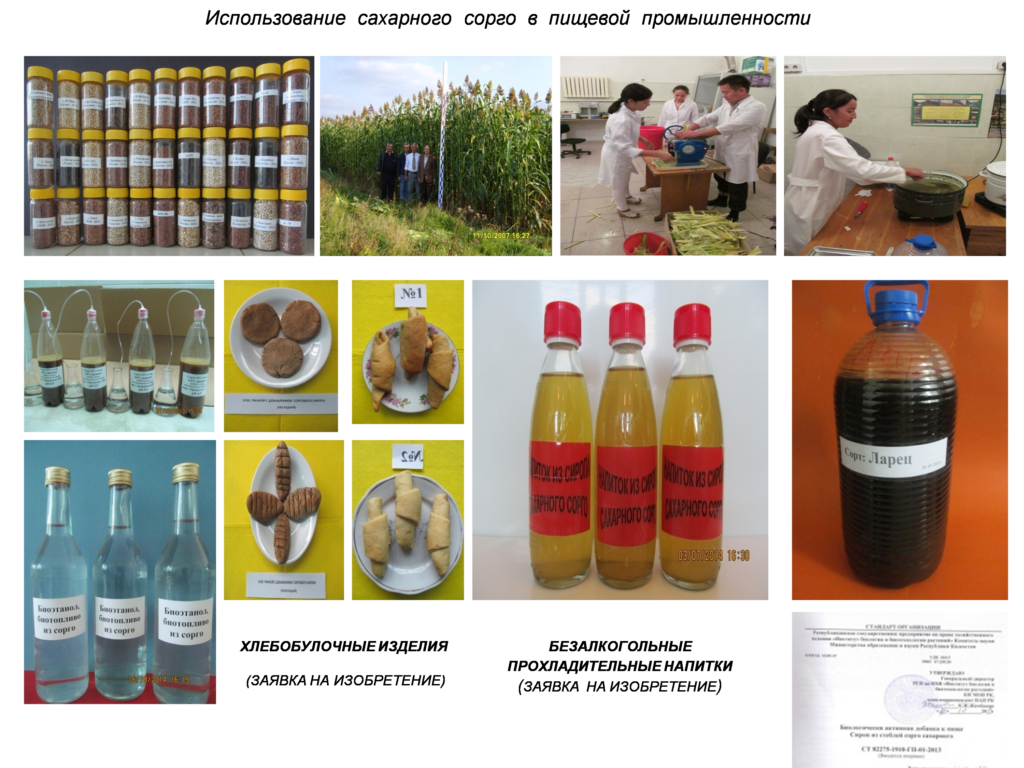
Technology for producing syrup from sugar sorghum stems, including prototype samples of syrup and bioethanol.
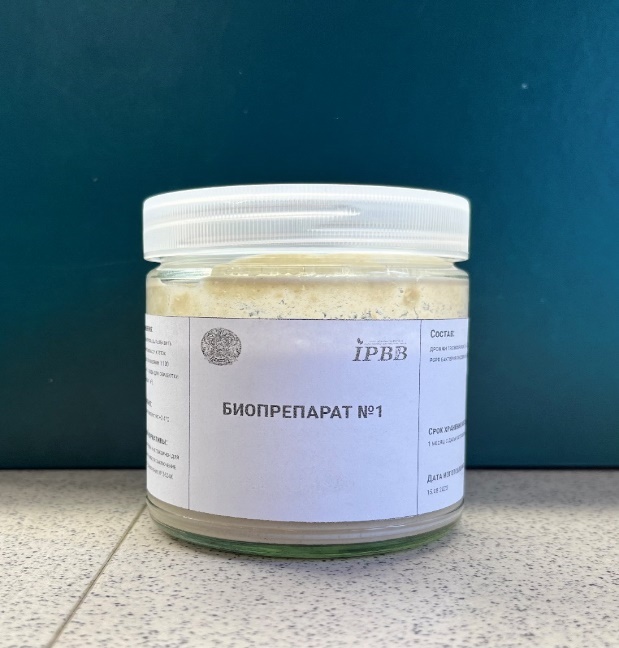
Microbial bioproduct based on concentrated biomass of Trichosporon sp. CA1 and Rhizobium sp. Zn1-1
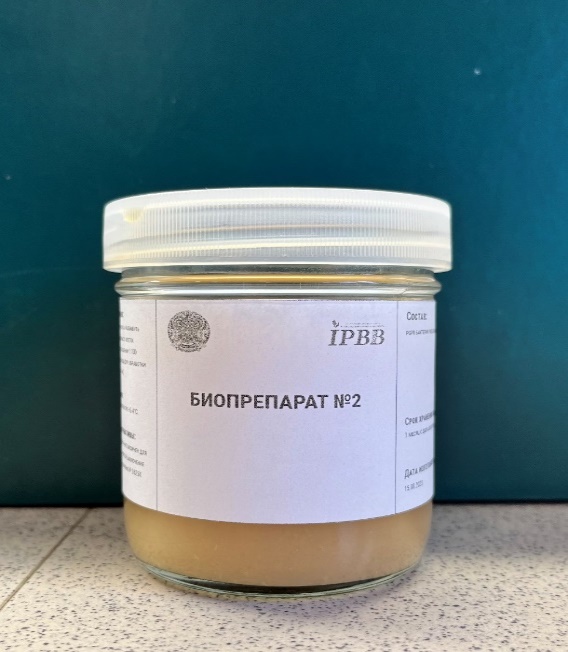
Caption: Microbial bioproducts formulated using high-potential PGPR strains to support targeted control of the phytoremediation process.
PGPR-based biopreparations designed to enhance biomass yield of the energy crop Miscanthus × giganteus for improved phytoremediation efficiency.
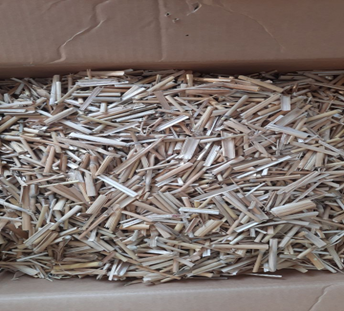
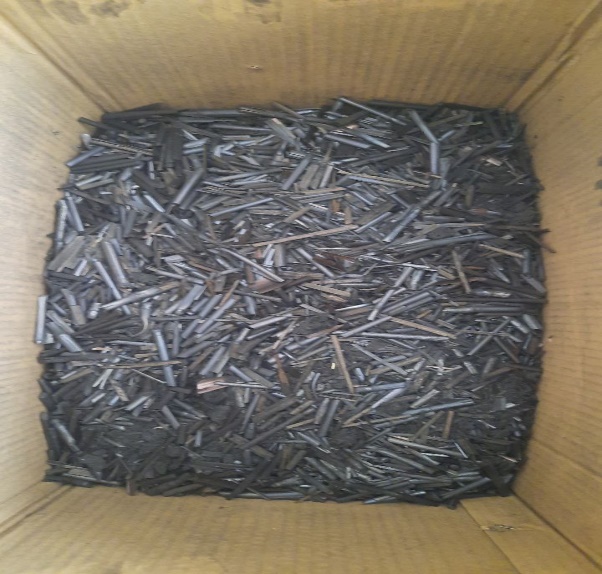
Biochar and Planting Material
Caption: Biochar application enhances plant biomass production, improves metal phytostabilization, and reduces the bioavailability of POP-pesticides. It can be used both as a carbon-rich biofertilizer for soil amendment and as a sorbent in aquatic systems.
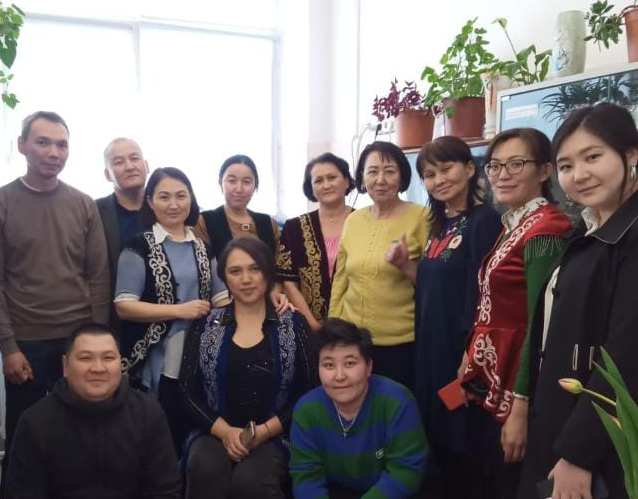
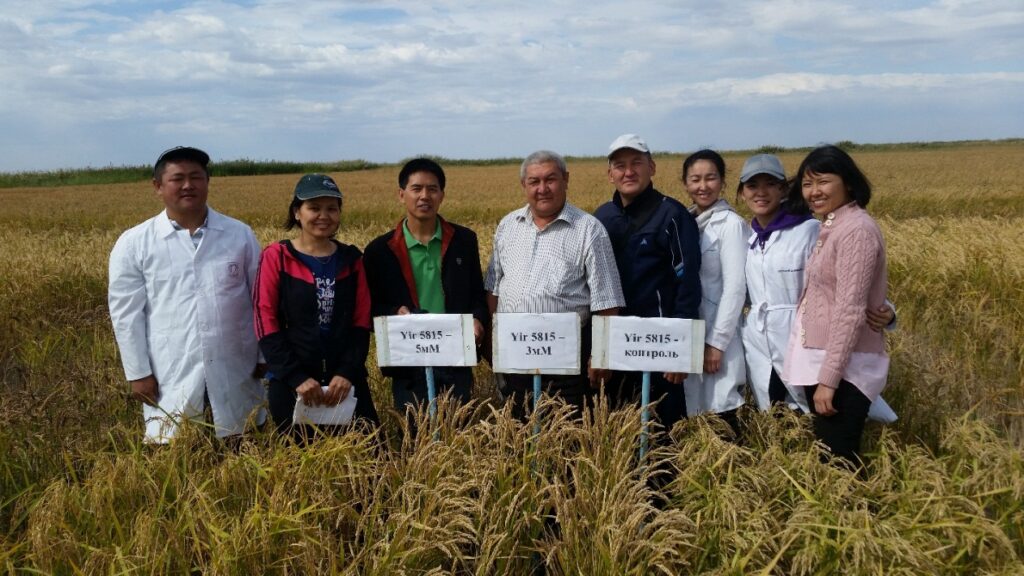

Overseas Training Programs for Laboratory Staff
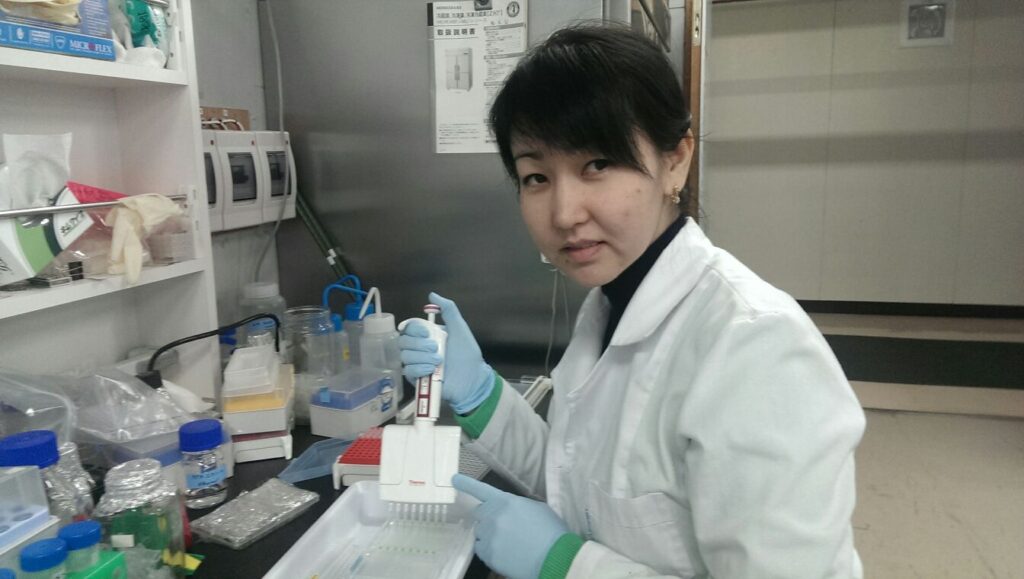
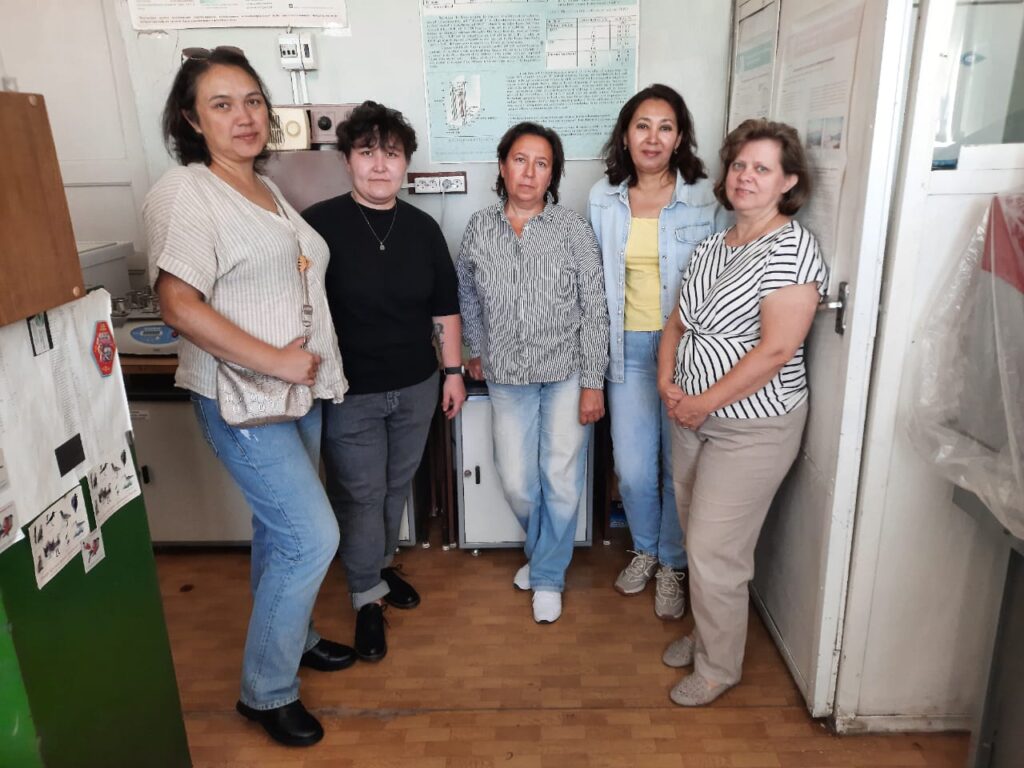
(Institute of Biochemistry and Physiology of Plants and Microorganisms, Russian Academy of Sciences, Saratov, Russian Federation, 2023)
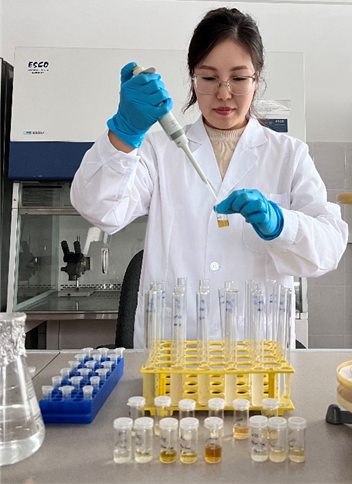
(Muğla Stkı Koçman University, Faculty of Science, Турция, 2025)
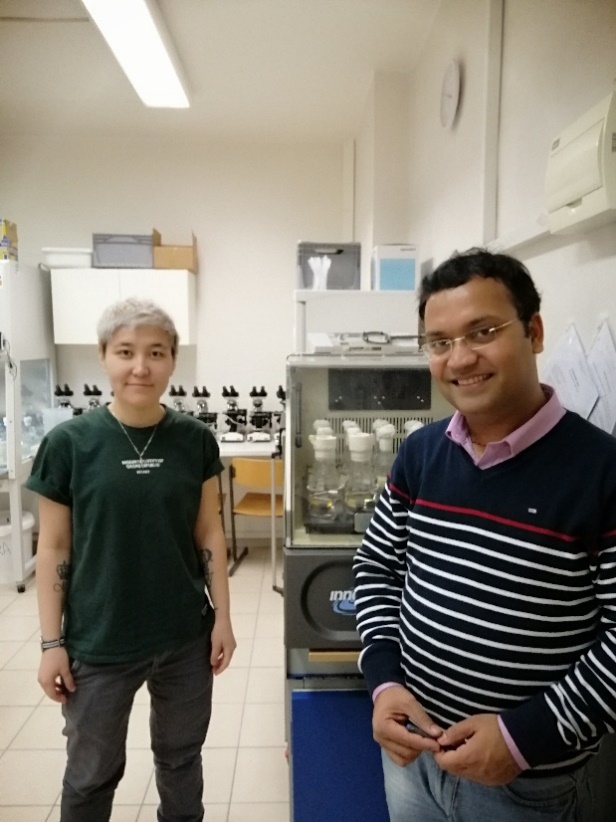
PhD student Kumar Pranaw
(Jan Evangelista Purkyne University. Usti nad Labem Chek republic, 2021)
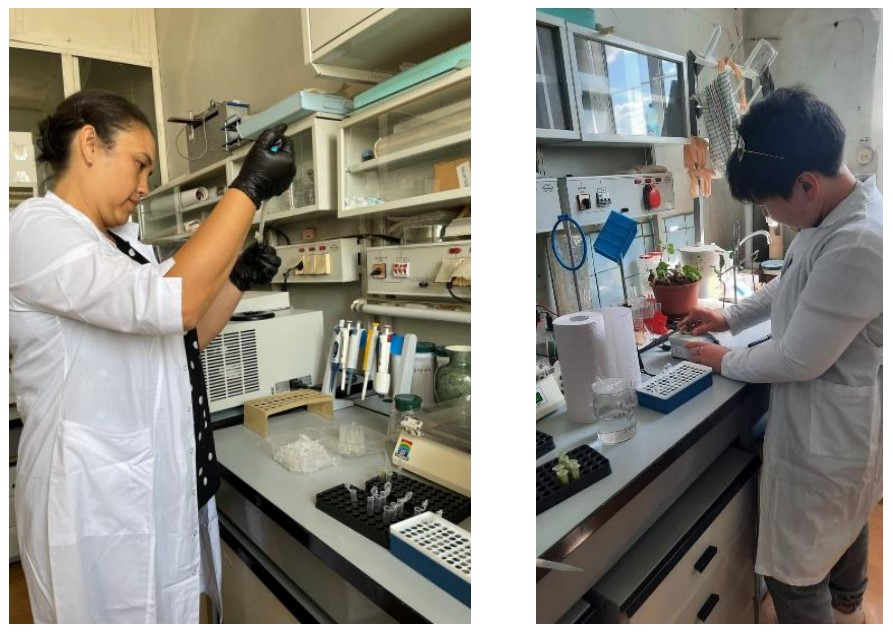
(Institute of Biochemistry and Physiology of Plants and Microorganisms, Russian Academy of Sciences, Saratov, Russian Federation, 2024)

(Kansas State University , Kansas, USA. 2015)